Politics · Malaysia Bureau
Singapore braces for energy security challenges as Indonesia cuts gas exports
Indonesia has begun reducing natural gas shipments to Singapore as President Prabowo Subianto prioritizes meeting domestic energy demand. The move threatens to tighten energy supply in the city-state, which relies significantly on imported gas.
LSN Malaysia ·
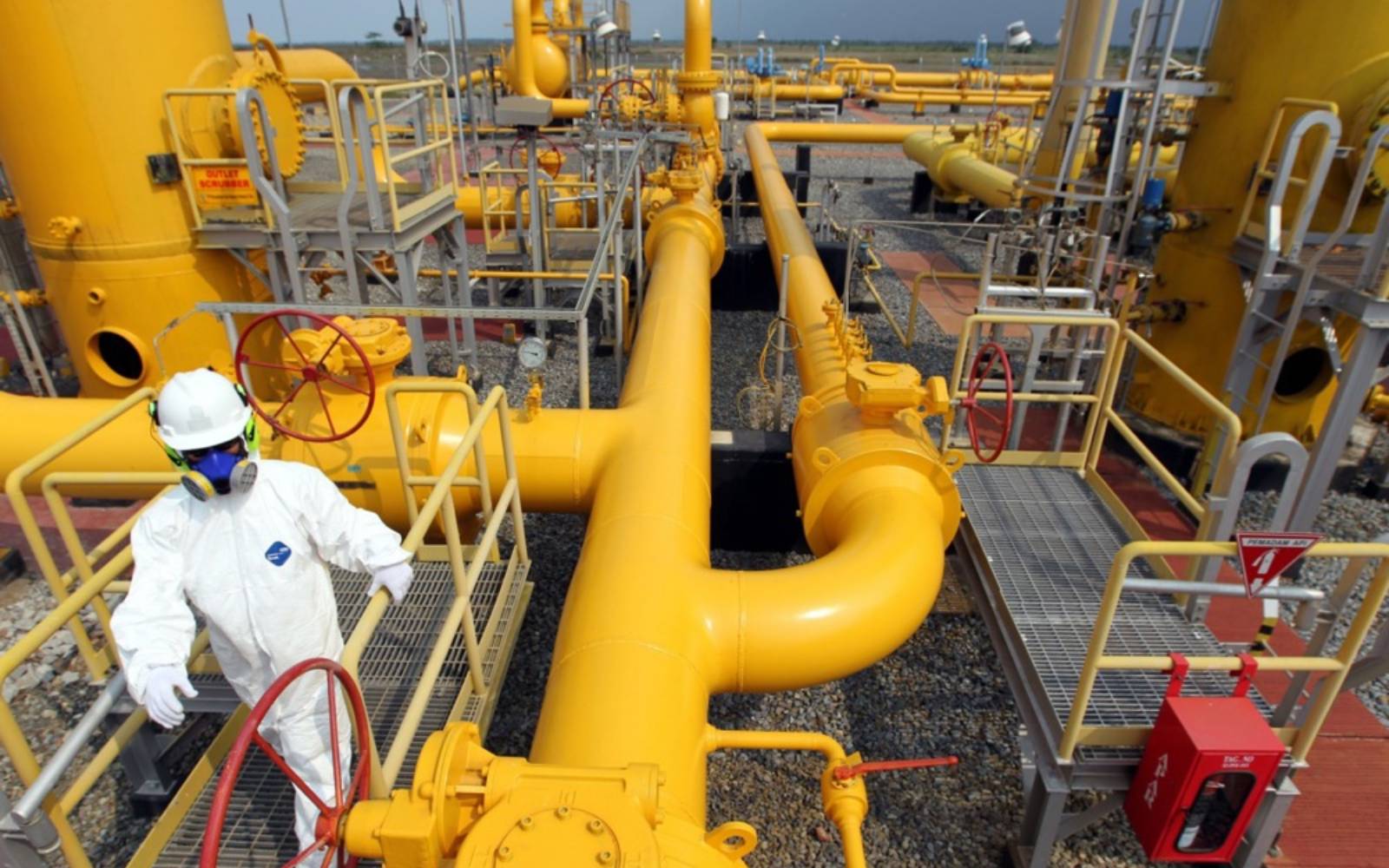
Singapore faces mounting pressure on its energy security as Indonesia implements cuts to natural gas exports destined for the island nation. The reduction forms part of President Prabowo Subianto's broader policy agenda to secure adequate energy supplies for Indonesia's domestic consumption and industrial needs.
The Southeast Asian energy dynamics reflect intensifying competition for limited regional gas reserves. Indonesia, which holds substantial natural gas reserves, has increasingly sought to redirect energy resources toward fueling its own economic growth and domestic power generation requirements.
For Singapore, the reduction in gas imports presents a significant challenge to energy stability. The city-state has limited domestic energy resources and has historically depended on imports from neighbouring countries, particularly Indonesia and Malaysia, to meet its power generation and industrial demands.
The development underscores growing regional tensions over energy resources amid Southeast Asia's rapid economic expansion. Other regional energy importers are likely monitoring the situation closely, as changes to gas supply arrangements could have broader implications for energy pricing and availability across the region.
Singapore's government is expected to explore alternative energy sourcing strategies, including potential diversification of suppliers and accelerated development of renewable energy infrastructure, to mitigate exposure to supply disruptions.