Business · Singapore Bureau
Singapore charts course through shipping's digital and green revolution
As automation and low-carbon technologies reshape global maritime commerce, Singapore is positioning itself to maintain its competitive advantage through innovation in autonomous vessels, cleaner fuels, and workforce development.
LSN Singapore ·
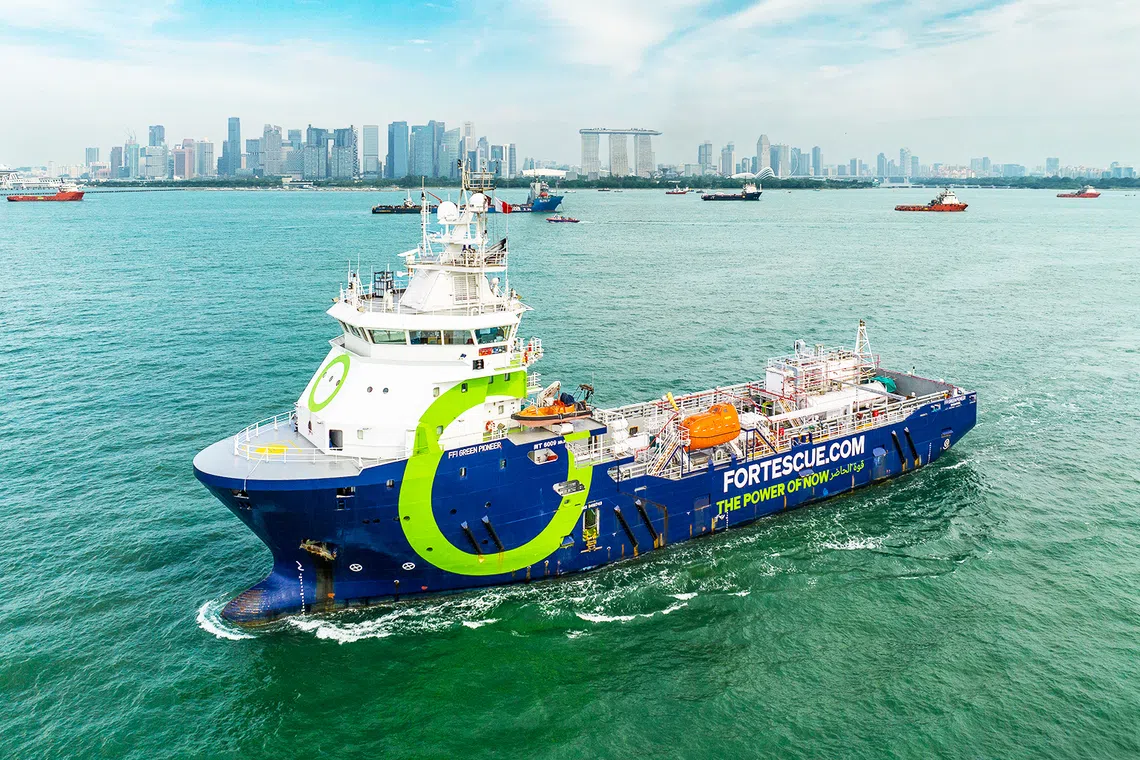
Singapore's dominance in global shipping has long rested on its geographic position as a major transhipment hub and strategic gateway between major trade routes. Yet the maritime industry is undergoing profound transformation driven by technological advancement and environmental pressures, forcing the city-state to evolve beyond its traditional strengths.
Autonomous shipping technology and artificial intelligence are beginning to reshape vessel operations and port logistics, reducing costs and improving efficiency. Simultaneously, the push toward decarbonization is accelerating adoption of alternative fuels and cleaner propulsion systems, fundamentally altering how ships are powered and operated. These shifts present both challenges and opportunities for Singapore's maritime sector.
Recognizing these trends, Singapore is investing in developing the skilled workforce required for the emerging maritime economy. New career pathways are emerging in autonomous vessel management, digital systems, and low-carbon shipping operations, requiring workers to acquire technical expertise and specialized qualifications.
Industry experts note that Singapore's ability to maintain its position as a leading maritime hub will depend on how successfully it adapts its workforce and infrastructure to these technological and environmental imperatives, building on the strategic advantages that established its dominance.