Politics · Malaysia Bureau
Singapore court clarifies employment rights after probation period ends
Singapore's Court of Appeal has ruled that the end of a probationary period does not automatically terminate employment, with the outcome dependent on how the contract is worded. The decision provides clarity for employers and workers navigating employment agreements in the city-state.
LSN Malaysia ·
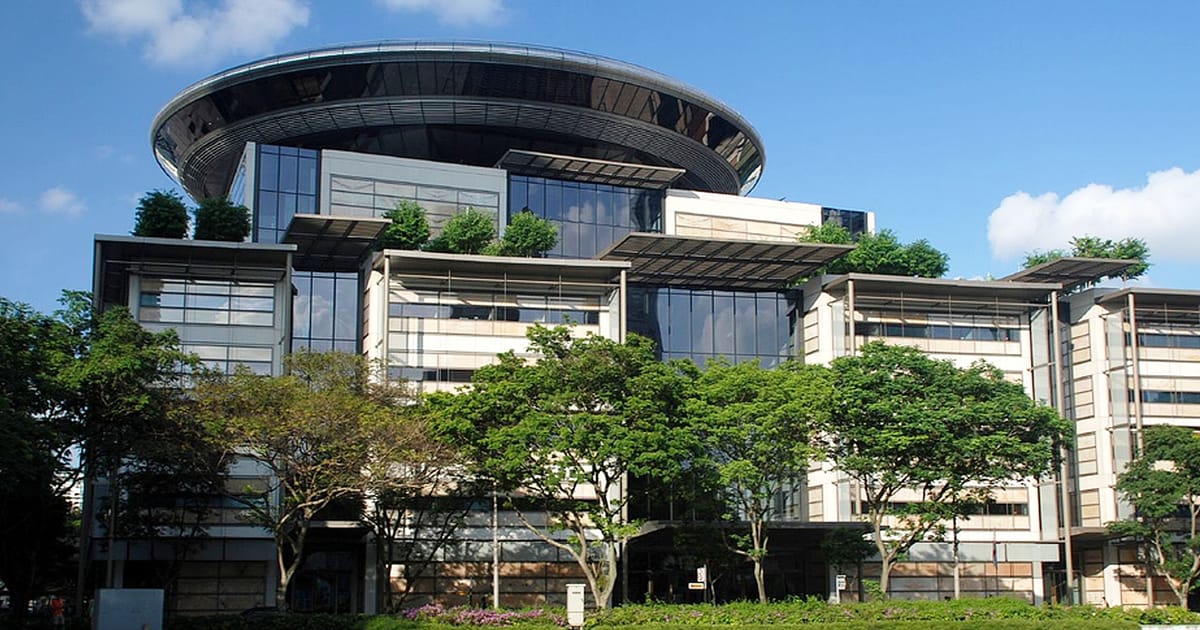
The Singapore Court of Appeal has determined that employment does not necessarily conclude when a probationary period expires, establishing that the critical factor lies in the specific language contained within the employment contract itself.
The ruling addresses a common point of ambiguity in employment relationships, where the boundaries between probationary and permanent status are not always clearly defined. The court's decision underscores the importance of precise contractual wording in establishing the terms and conditions that govern the continuation of employment beyond the initial probation phase.
For Malaysian employers and workers with ties to Singapore or those considering similar employment arrangements, the decision reinforces the need for explicit contractual clauses that clearly outline what transpires upon the conclusion of a probationary period. Contracts should specify whether employment becomes permanent, whether it is subject to further conditions, or whether termination may occur at the expiry of probation.
The court's emphasis on contractual language reflects a broader principle in employment law across the region: the importance of clarity and precision in written agreements. Both employers and employees are advised to ensure that employment contracts explicitly address the status and terms of employment following the probationary period to avoid future disputes.
The ruling is expected to influence employment practices in Singapore and may serve as a reference point for similar legal considerations in other jurisdictions across South and Southeast Asia.