World · Singapore Bureau
Singapore crosses into super-aged society as elderly population surges
More than one in five Singaporean citizens are now aged 65 or older, marking the city-state's transition into a super-aged society. The octogenarian population has expanded dramatically over the past decade, presenting significant implications for healthcare and social services.
LSN Singapore ·
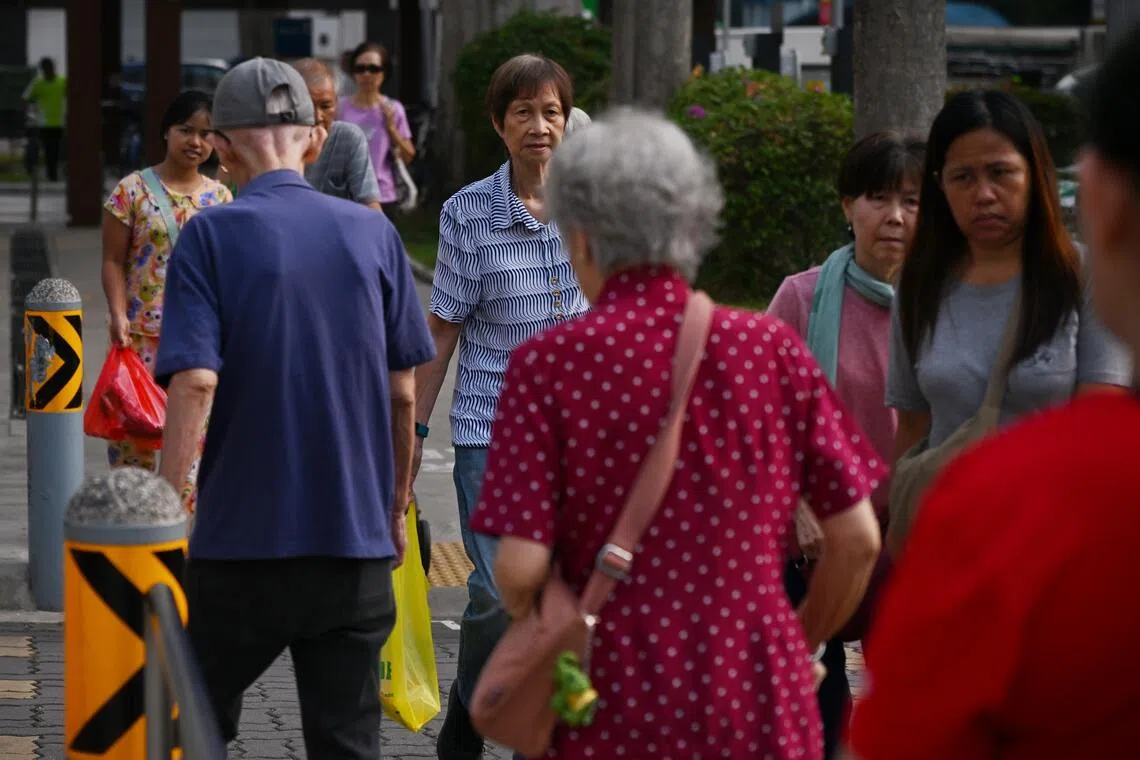
Singapore has officially entered the super-aged society category, with seniors aged 65 and above now representing 21.4 per cent of the citizen population. This demographic shift underscores the rapid aging of the island nation's population, a trend that has accelerated markedly in recent years.
The most striking change has been among the oldest age groups. The number of Singaporeans aged 80 and older has surged 60 per cent over the past decade, reflecting both increasing life expectancy and declining birth rates. This expansion of the very elderly population presents distinct challenges for healthcare provision, long-term care services, and social support systems.
The transition to a super-aged society typically occurs when seniors aged 65 and above comprise more than 21 per cent of a nation's population. Singapore's crossing of this threshold places it among a select group of developed Asian economies navigating the complexities of rapid population aging.
Policymakers and healthcare planners are likely to face mounting pressure to enhance elderly care infrastructure, manage rising medical costs, and address potential labour shortages as the working-age population contracts relative to retirees. The demographic shift also carries implications for Singapore's economic productivity and long-term fiscal sustainability.