World · India Bureau
Singapore deploys 122,000 floating solar panels to cut carbon emissions
Singapore has installed a massive floating solar panel array on one of its reservoirs, expected to reduce annual carbon dioxide emissions by 32,000 tonnes. The project underscores the city-state's commitment to renewable energy in one of Asia's most densely populated regions.
LSN India ·
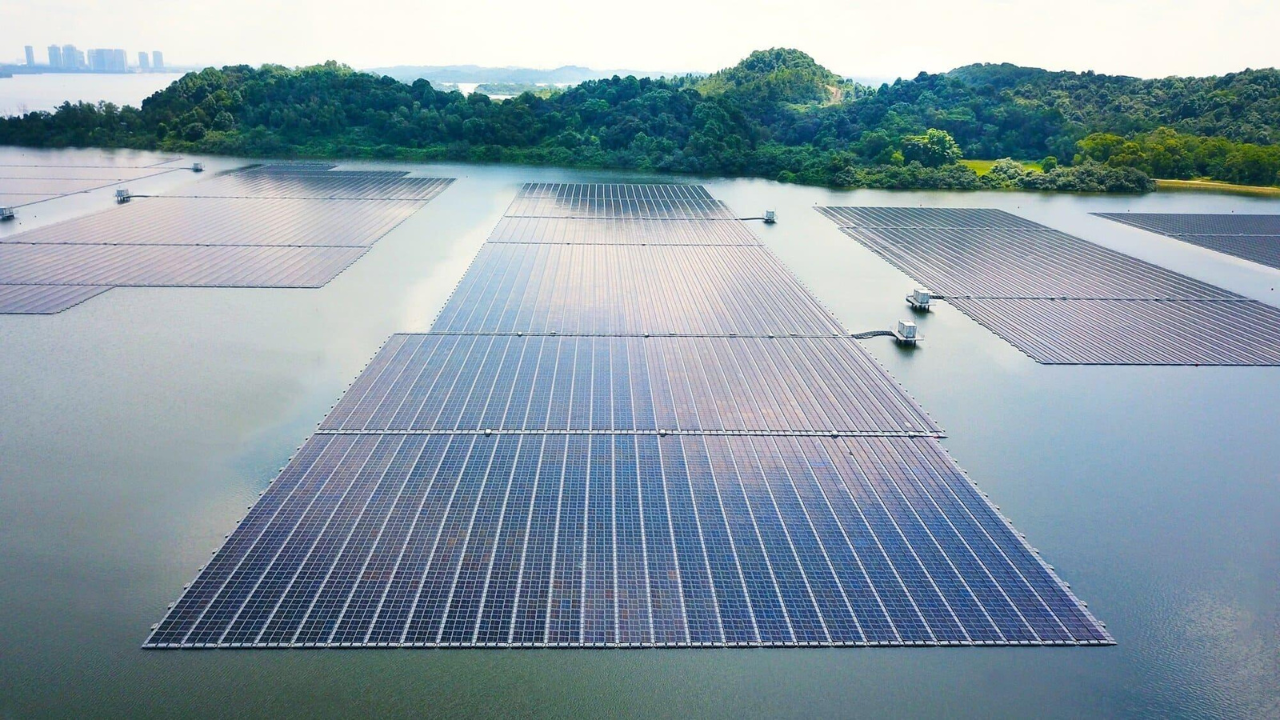
Singapore has launched an ambitious renewable energy initiative by deploying 122,000 solar panels across a reservoir, marking a significant step in the island nation's transition toward sustainable power generation. The floating solar installation is designed to harness the region's tropical sunlight while minimizing land use constraints that typically limit solar expansion in densely populated urban areas.
The project is projected to eliminate approximately 32,000 tonnes of carbon dioxide emissions annually, contributing meaningfully to Singapore's climate commitments. By utilizing water surfaces for solar generation, the installation demonstrates an innovative approach to renewable energy deployment in space-constrained environments—a model increasingly relevant for other densely populated Asian economies.
The floating panel system also offers secondary benefits, including reduced water evaporation from the reservoir and improved water quality by limiting algae growth. These advantages make the technology particularly valuable in tropical regions where water management is critical to urban planning and environmental sustainability.
Singapore has positioned itself as a regional leader in clean energy adoption, with ambitious targets to increase renewable energy capacity over the coming decades. This floating solar project represents a practical demonstration of how innovative infrastructure solutions can help island nations and densely populated regions meet climate goals while managing spatial and resource constraints.