World · Malaysia Bureau
Singapore explores new cooling technologies to reduce urban heat
Singapore, one of Asia's most air-conditioned cities, is investigating alternative cooling systems such as chilled beams and radiant cooling to address environmental concerns from conventional air-conditioning units.
LSN Malaysia ·
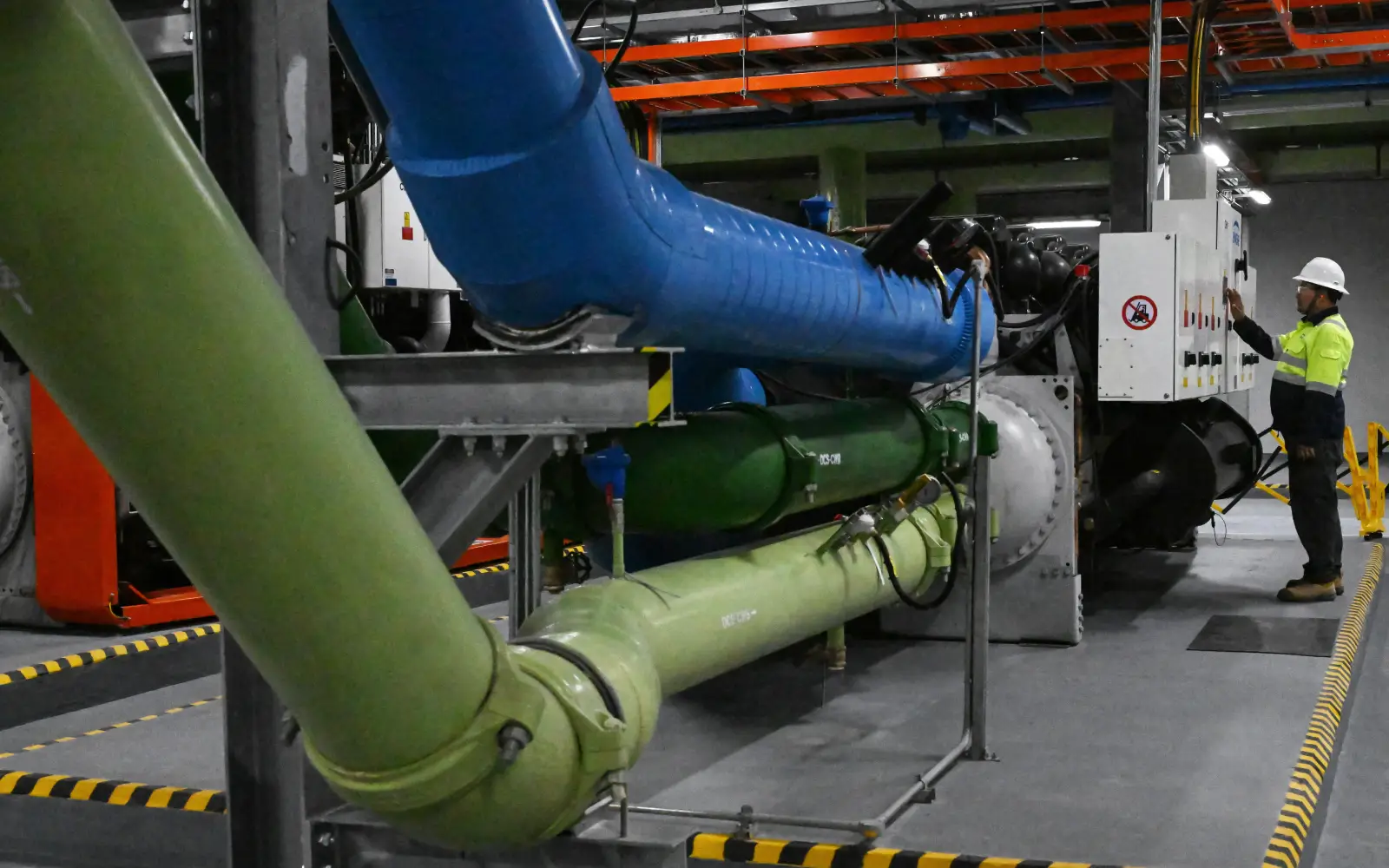
Singapore's building sector is increasingly turning to innovative cooling technologies as the city-state seeks to reduce the environmental impact of its heavy reliance on traditional air-conditioning systems. Buildings across the island are piloting active chilled beams and radiant cooling solutions designed to replace conventional compressor-based units that expel hot air into the surrounding environment.
The shift reflects growing awareness of how widespread air-conditioning contributes to urban heat island effects, whereby cities experience higher temperatures than surrounding areas due to the release of waste heat from cooling systems. For a densely-built metropolis like Singapore, where air-conditioning is ubiquitous across residential, commercial, and industrial spaces, the cumulative environmental impact has become increasingly difficult to ignore.
Chilled beams operate by circulating cool water through ceiling-mounted panels, while radiant cooling systems transfer heat through surfaces rather than relying solely on circulated air. Both technologies consume less energy than conventional units and eliminate the hot exhaust air released by compressor-based systems into the urban environment.
As Singapore grapples with tropical heat and rising temperatures, exploring these alternatives represents part of a broader sustainability strategy. The adoption of more efficient cooling technologies could help the island balance its cooling demands with environmental responsibility while potentially reducing long-term energy costs for building operators.