Politics · Singapore Bureau
Singapore faces tough AI reality: productivity gains won't create jobs
Singapore's government acknowledges that artificial intelligence will boost productivity but warn that the technology may not generate the employment growth seen in previous economic transitions. The shift represents a fundamental challenge for the city-state's economic model.
LSN Singapore ·
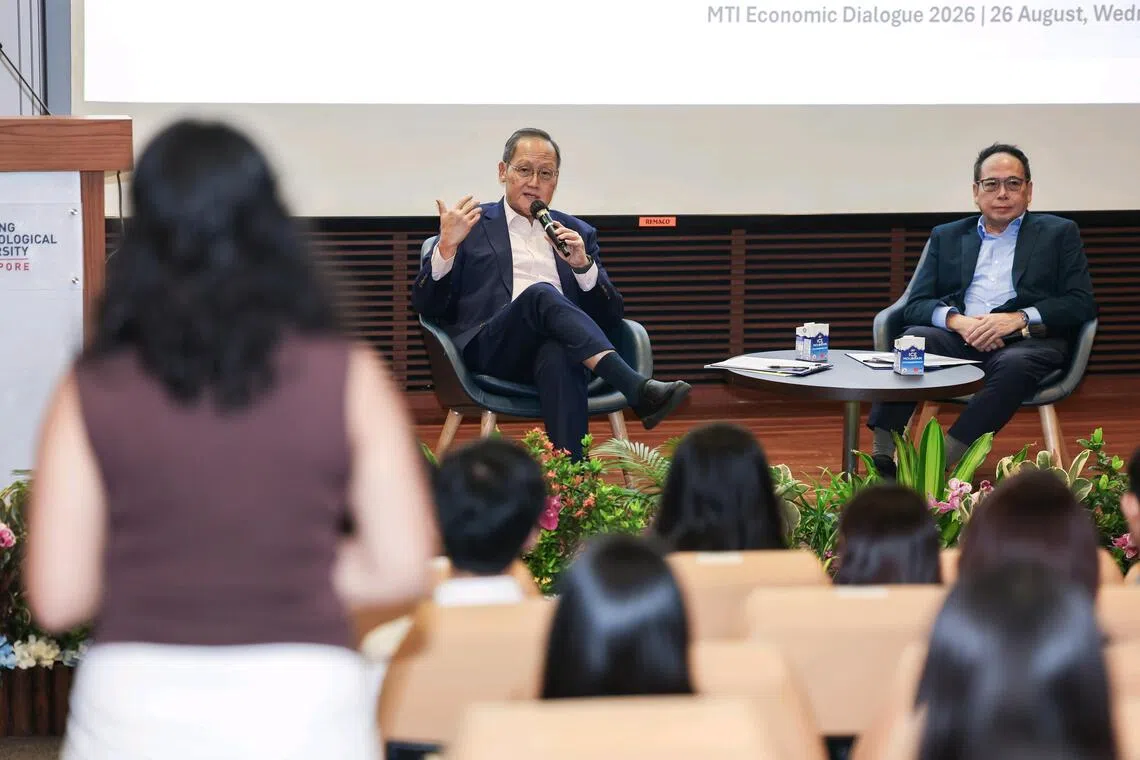
Singapore's policymakers are confronting a challenging economic reality: while artificial intelligence promises significant productivity gains, it is unlikely to create jobs at the scale that previous technological revolutions have delivered.
Government officials have recognised that AI could enable companies to produce more output with smaller workforces, marking a departure from historical patterns where new technologies ultimately generated fresh employment opportunities. This acknowledgement reflects growing concerns among developed economies about the structural impact of AI on labour markets.
The recognition represents a bitter pill for Singapore, which has long relied on productivity-driven growth to support its economy and workforce expansion. Unlike earlier technological shifts that displaced workers in some sectors while creating opportunities in others, AI's broad applicability across industries poses a more complex challenge.
The government's candid assessment underscores the need for Singapore to recalibrate its economic strategies and workforce development policies. Policymakers are likely to intensify focus on reskilling programmes, wage support measures, and ensuring that productivity gains translate into improved living standards rather than simply higher corporate profits.
Singapore's willingness to publicly address the employment implications of AI distinguishes it from many regional peers still grappling with the technology's impact. How effectively the government can manage this transition will significantly influence the island's economic resilience and social cohesion in the coming years.