World · Singapore Bureau
Singapore firms lag on climate risk disclosure, study finds
Only 22% of Singapore-listed companies provide detailed physical climate risk disclosures, falling short of the global average of 27%, according to a recent report.
LSN Singapore ·
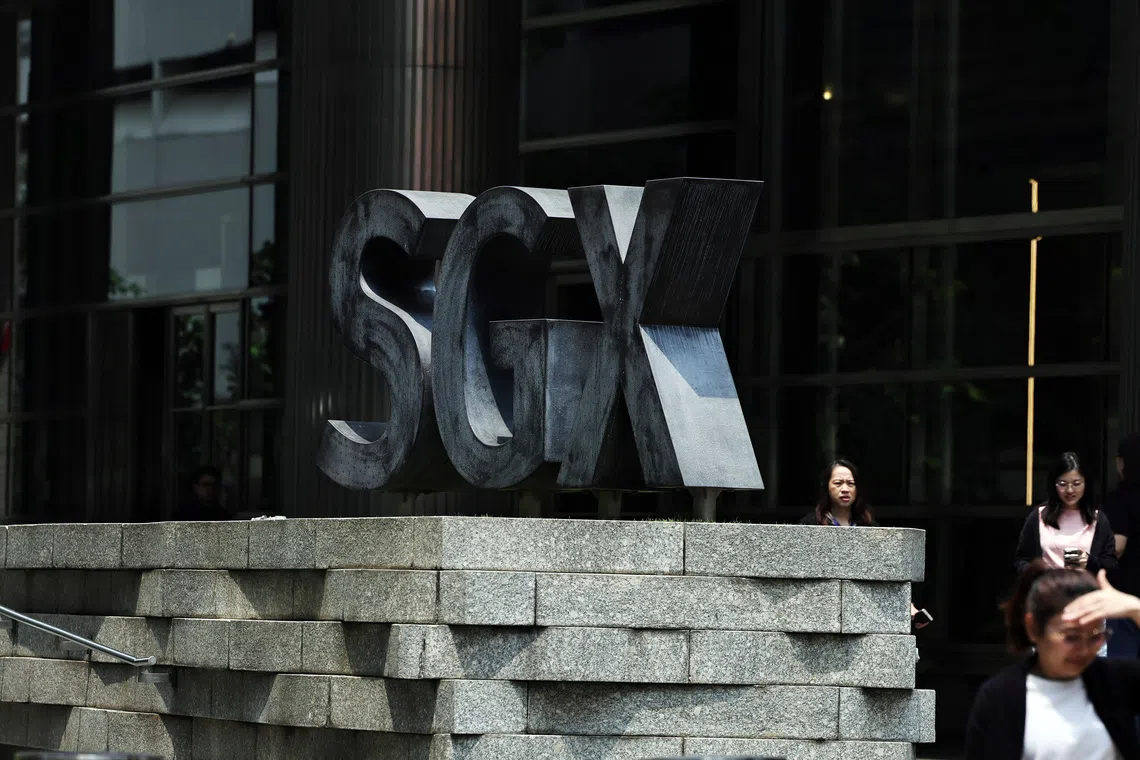
A significant gap exists between Singapore-listed firms and their international peers when it comes to climate risk transparency. The findings reveal that less than a quarter of companies on the Singapore Exchange are making comprehensive physical climate risk disclosures, suggesting many listed entities may not be adequately communicating their exposure to climate-related hazards such as flooding, extreme heat, and sea-level rise.
The 22% disclosure rate in Singapore compares unfavourably with the global benchmark of 27%, indicating that local companies are trailing behind international standards in environmental risk reporting. Physical climate risks—distinct from transition risks related to shifting to a low-carbon economy—represent direct threats to business operations, supply chains, and assets.
The gap underscores growing pressure on Singapore's corporate sector to enhance environmental transparency. As investors and regulators worldwide increasingly focus on climate-related financial risks, companies that fail to disclose detailed climate exposure may face scrutiny from asset managers and stakeholders concerned about long-term value preservation.
The findings suggest that Singapore-listed companies have room to improve alignment with international best practices and investor expectations on climate risk reporting. Enhanced disclosures could help investors better assess climate vulnerabilities across the market and support more informed capital allocation decisions.