Politics · Singapore Bureau
Singapore grapples with public consultation model after forest row
The Maju Forest-Gillman Barracks controversy has reignited debate over how the government engages citizens in policymaking. Observers say Singaporeans are increasingly demanding a greater say in decisions affecting their communities.
LSN Singapore ·
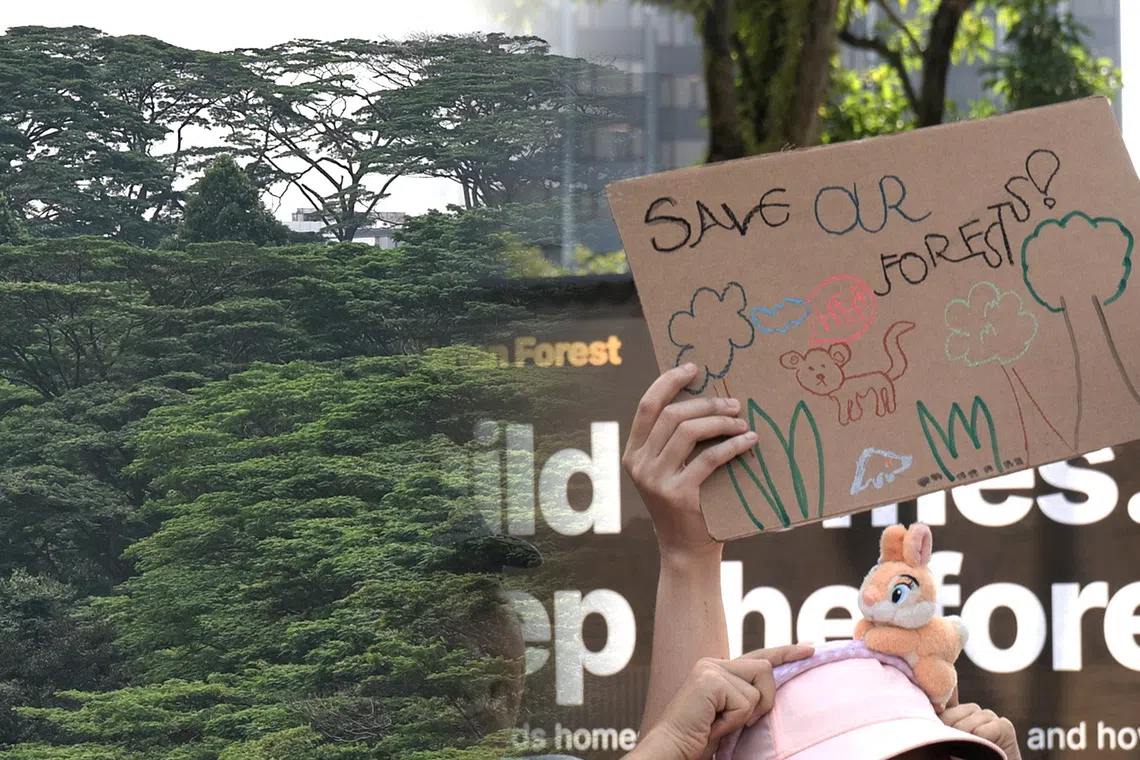
The contentious Maju Forest-Gillman Barracks issue has prompted fresh scrutiny of Singapore's public consultation practices, with questions mounting over whether the government's engagement model adequately captures citizen perspectives before major decisions are finalized.
The dispute, which centred on plans affecting the green space and heritage site, demonstrated that residents want more meaningful involvement in the policymaking process rather than being informed of decisions after they have been substantially determined. The episode underscored growing expectations among Singaporeans for transparency and participation in matters affecting urban planning and land use.
Currently, the government typically announces policies and invites feedback through formal consultation channels. However, critics argue this approach often comes too late in the decision-making cycle to substantively alter outcomes. The Maju Forest-Gillman Barracks case illustrated this tension, with many feeling their concerns were not adequately addressed despite feedback being submitted.
Government agencies have indicated openness to refining consultation mechanisms. The broader question facing policymakers is whether to shift the timing and scope of public engagement to earlier stages of policy development, potentially allowing community input to shape proposals from their inception rather than their conclusion.
As Singapore balances rapid development needs with liveable urban outcomes, the debate reflects a maturing civil society increasingly assertive about its role in governance.