Politics · Singapore Bureau
Singapore haze costs projected to hit $2.32 billion by 2026
Economic losses from transboundary haze pollution are expected to rise 4 percent from 2015 levels, driven by population growth and increased visitor spending, according to expert analysis.
LSN Singapore ·
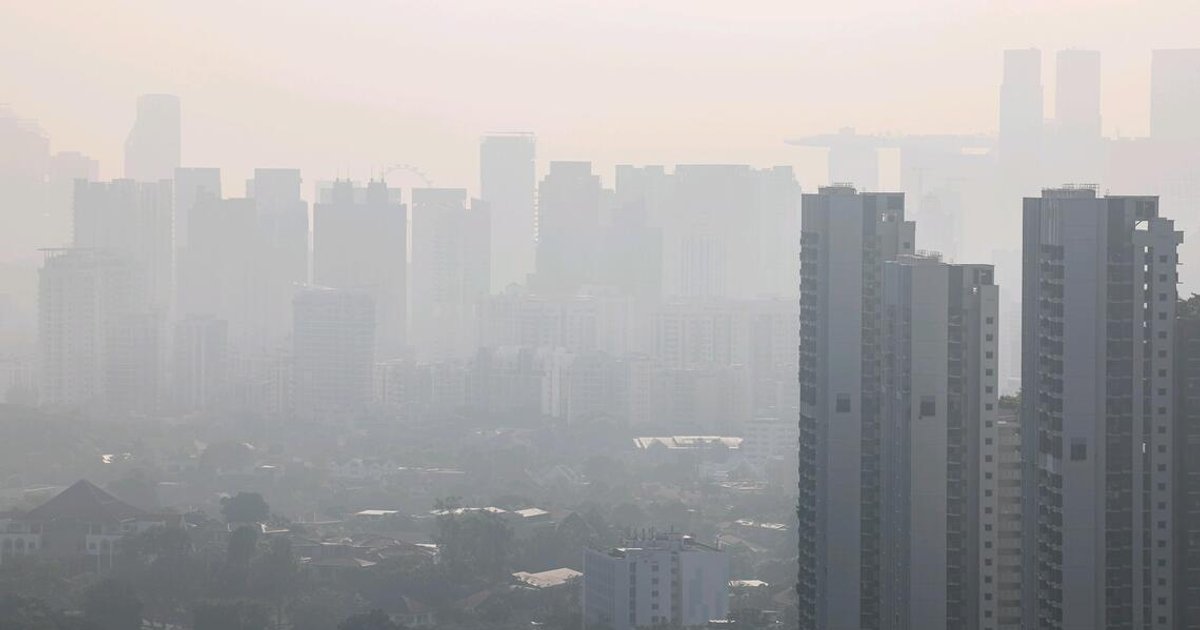
Singapore faces mounting economic costs from regional haze pollution, with projections indicating losses of $2.32 billion by 2026, experts have warned. The figure represents a 4 percent increase from the $2.23 billion in losses recorded in 2015, reflecting the city-state's growing vulnerability to transboundary air pollution events.
The anticipated rise in costs stems from several interconnected factors. A larger population, combined with higher average incomes and increased visitor numbers to Singapore, are expected to amplify the economic impact of haze episodes. As more people and businesses are affected, the costs associated with reduced productivity, health impacts, and disrupted economic activity compound.
Haze pollution, primarily caused by forest fires and land clearing in neighbouring Indonesia during the dry season, has long posed a challenge for Singapore's air quality and public health. The recurring phenomenon disrupts transportation, forces school and business closures, and increases healthcare costs related to respiratory ailments.
The projection underscores the importance of regional cooperation in tackling transboundary air pollution. Singapore and neighbouring countries have established frameworks to address haze, though the economic burden continues to grow as the region develops and its population expands.