Technology · Singapore Bureau
Singapore Institute of Technology to integrate two-year work placements into degree programmes
The Singapore Institute of Technology is extending its undergraduate curriculum to include nearly two years of integrated work experience, positioning graduates to better compete in an AI-driven job market. The move aims to equip fresh graduates with practical skills and employment readiness as employers raise their hiring standards.
LSN Singapore ·
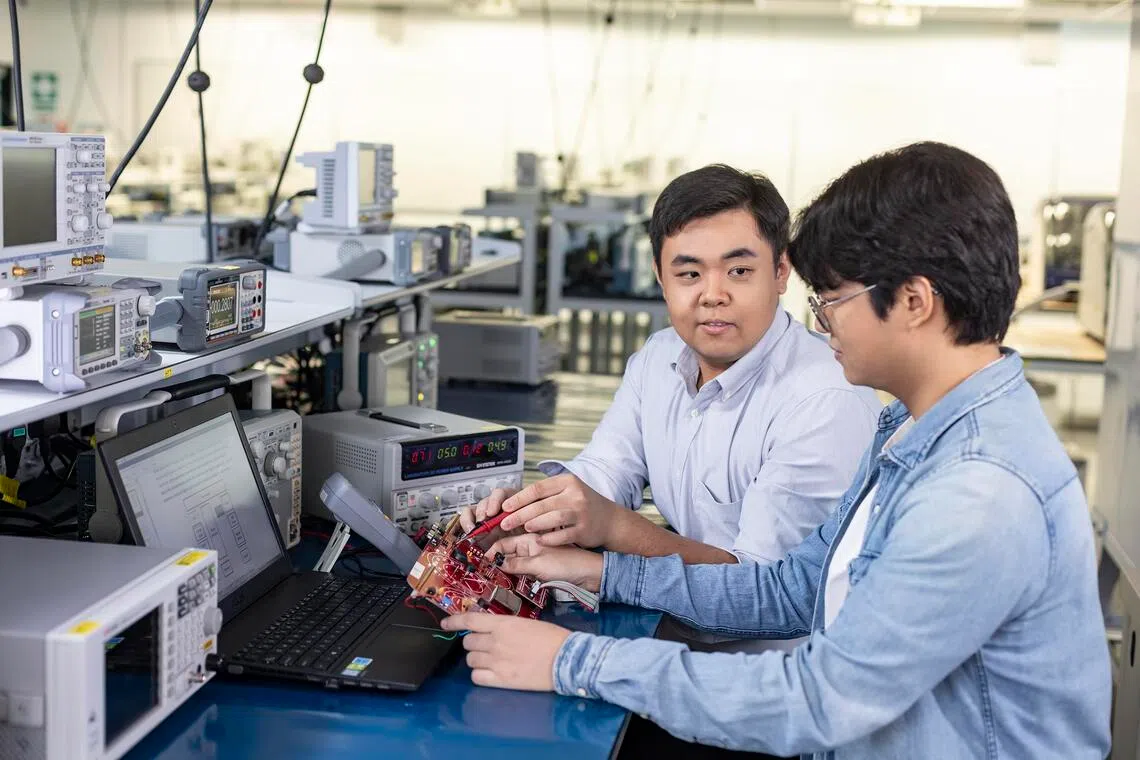
The Singapore Institute of Technology (SIT) is restructuring its undergraduate programmes to incorporate extended work experience directly into degree studies, giving students nearly two years of hands-on employment by graduation.
The initiative responds to evolving employer expectations in a rapidly changing economy increasingly shaped by artificial intelligence and automation. By embedding substantial work placements within the academic curriculum, SIT seeks to bridge the traditional gap between classroom learning and industry requirements, enhancing graduates' competitiveness when entering the job market.
The extended work-integrated learning approach allows students to apply theoretical knowledge to real-world scenarios while building professional networks and industry contacts. This experiential model is designed to address skill gaps and demonstrate practical capability to prospective employers, potentially accelerating career progression for SIT graduates.
The restructured programmes reflect broader sector recognition that traditional degree qualifications alone may no longer suffice in sectors increasingly reliant on technological expertise and adaptive capability. By frontloading substantial work experience before graduation, SIT graduates are expected to demonstrate greater workplace readiness than peers from institutions offering conventional study arrangements.
The move aligns with Singapore's broader push to enhance workforce development and competitiveness amid regional and global economic shifts driven by technological advancement.