Business · Singapore Bureau
Singapore-listed palm oil firms face pressure over recurring haze problem
Major oil palm companies listed on Singapore's exchange have implemented fire prevention measures for years, yet continue to report hundreds of annual incidents that contribute to regional haze. Investors and stakeholders are demanding stronger accountability from the firms.
LSN Singapore ·
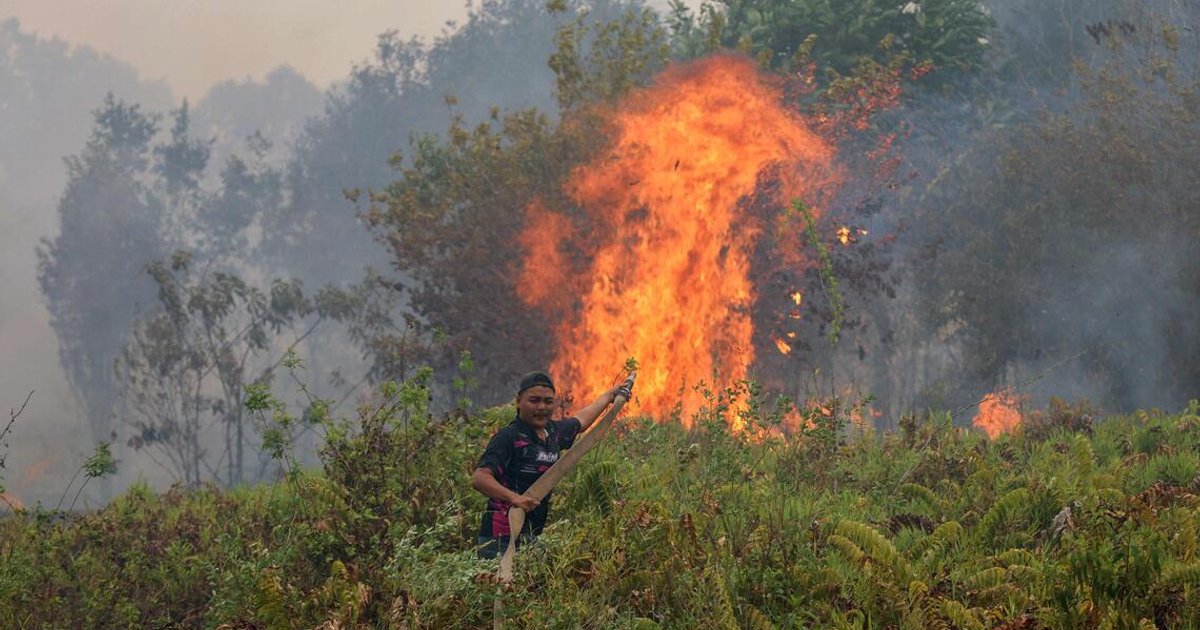
Singapore-listed palm oil producers have long maintained formal systems to mitigate fire risks across their operations, yet recurring transboundary haze episodes linked to agricultural burning have renewed scrutiny of their environmental management practices.
The firms collectively report hundreds of fire incidents annually across their plantations, raising questions about the effectiveness of existing safeguards and compliance protocols. Despite investments in fire prevention infrastructure and monitoring systems, the incidents persist year after year, contributing to air quality degradation across South and Southeast Asia.
Investor groups and environmental advocates are intensifying calls for greater corporate accountability, arguing that companies listed on Singapore Exchange must move beyond baseline compliance measures. They contend that genuine commitment to haze reduction requires demonstrable improvements in fire prevention outcomes, transparency in incident reporting, and penalties tied to performance metrics.
The pressure reflects broader concerns about corporate responsibility in commodity sectors, where financial performance has historically taken precedence over environmental stewardship. For Singapore-based investors and regulators, the issue carries particular weight given the city-state's vulnerability to seasonal haze that affects public health and economic activity.
Industry observers suggest the path forward requires not only technological and operational improvements but also cultural shifts within companies, incentivizing zero-fire outcomes rather than accepting recurring incidents as an operational cost.