World · Singapore Bureau
Singapore polyclinics to train staff for better intellectual disability care
A new health communication passport system will help frontline healthcare workers better support patients with intellectual disabilities by documenting individual communication needs and preferences.
LSN Singapore ·
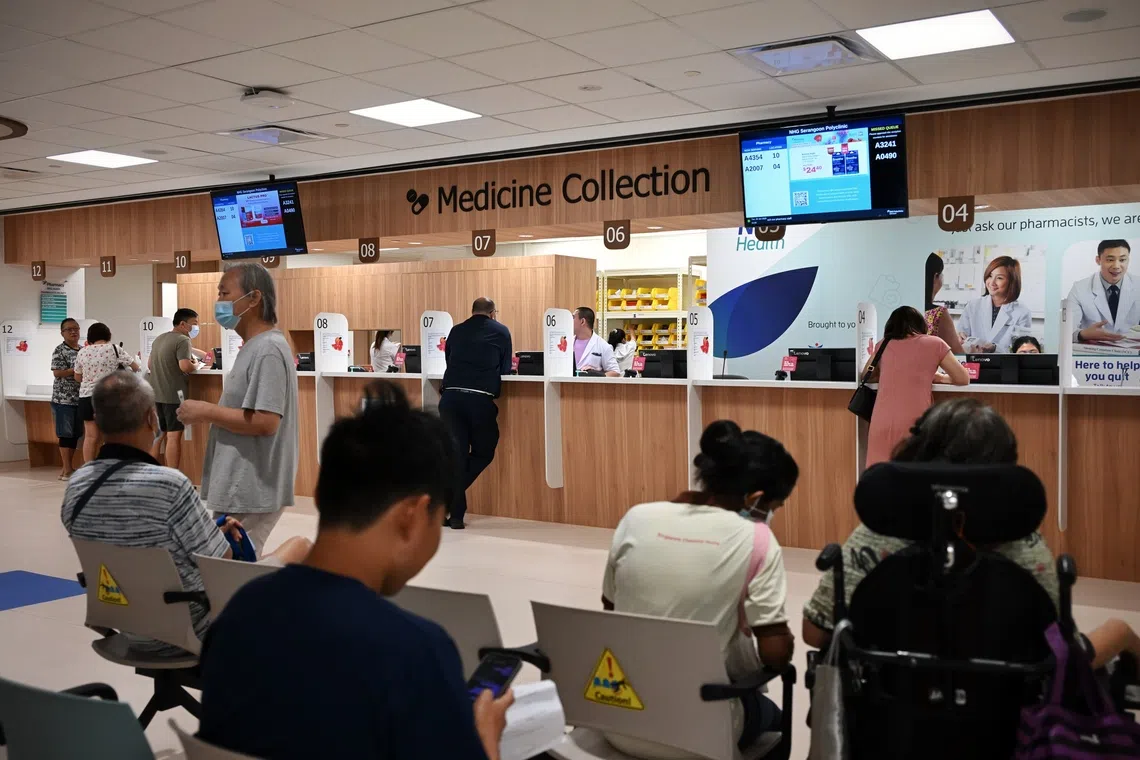
Singapore's polyclinics are rolling out enhanced training for all frontline staff to improve healthcare delivery for people with intellectual disabilities. The initiative includes the introduction of a personalised health communication passport that records each patient's specific communication preferences and support requirements.
The passport system aims to create a standardised approach across facilities, ensuring that healthcare workers can quickly understand how best to interact with and assist patients with intellectual disabilities. By documenting individual needs in advance, the system reduces barriers to care and enables more effective clinical consultations.
The training programme targets reception staff, nurses, doctors and administrative personnel who interact directly with patients. Staff will be equipped with practical skills and knowledge to recognise communication needs and apply appropriate support strategies during patient visits.
Healthcare officials have emphasised that the initiative reflects a commitment to ensuring equitable access to primary healthcare services. The health communication passport can be brought to appointments and consulted by any staff member, creating continuity of care across multiple visits and different polyclinic locations.
The rollout represents part of broader efforts to enhance healthcare accessibility for vulnerable populations across Singapore's primary care system.