Politics · Singapore Bureau
Singapore proposes strengthened enforcement powers for transboundary haze law
The government is considering amendments to Singapore's Transboundary Haze Pollution Act that would expand arrest authorities and allow criminal trials to proceed in the absence of accused parties. The proposed changes aim to toughen penalties against those responsible for regional air pollution incidents.
LSN Singapore ·
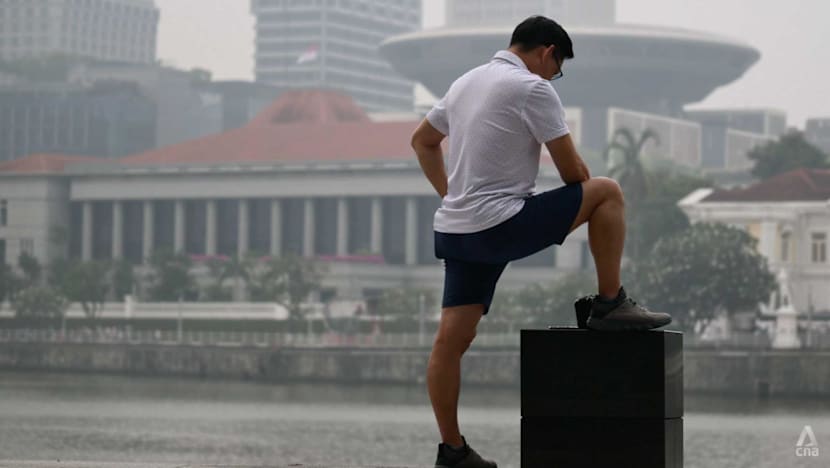
Singapore is moving to strengthen its legal arsenal against transboundary haze pollution through proposed amendments to the Transboundary Haze Pollution Act. The legislative changes would grant enforcement agencies broader arrest powers and permit criminal proceedings to advance even when defendants suspected of causing the haze are absent from trial.
The expanded enforcement capabilities represent a significant shift in Singapore's approach to combating regional air quality crises, which have periodically blanketed the city-state in smoke from fires in neighbouring countries. By enabling trials in absentia, authorities would be positioned to pursue accountability against foreign entities or individuals without requiring their physical presence in Singapore courts.
The amendments reflect growing frustration with the recurrence of severe haze episodes affecting public health and economic activity. Previous incidents, notably in 2015 and 2019, have prompted calls for more stringent measures to deter negligence and enforce greater accountability among transboundary pollution sources.
These proposed changes will require parliamentary approval and represent part of Singapore's ongoing efforts to address regional environmental challenges through legal and enforcement mechanisms. The government has indicated its commitment to working with neighbouring nations while simultaneously equipping itself with stronger domestic tools to respond to haze incidents.