Business · Singapore Bureau
Singapore retailers tighten safety standards as counterfeit squishy toys flood market
Rising counterfeits in Singapore's squishy toy market have prompted retailers to implement stricter quality controls, amid international reports of toxic materials detected in fake products. Industry players are working to protect consumers from health risks associated with substandard items.
LSN Singapore ·
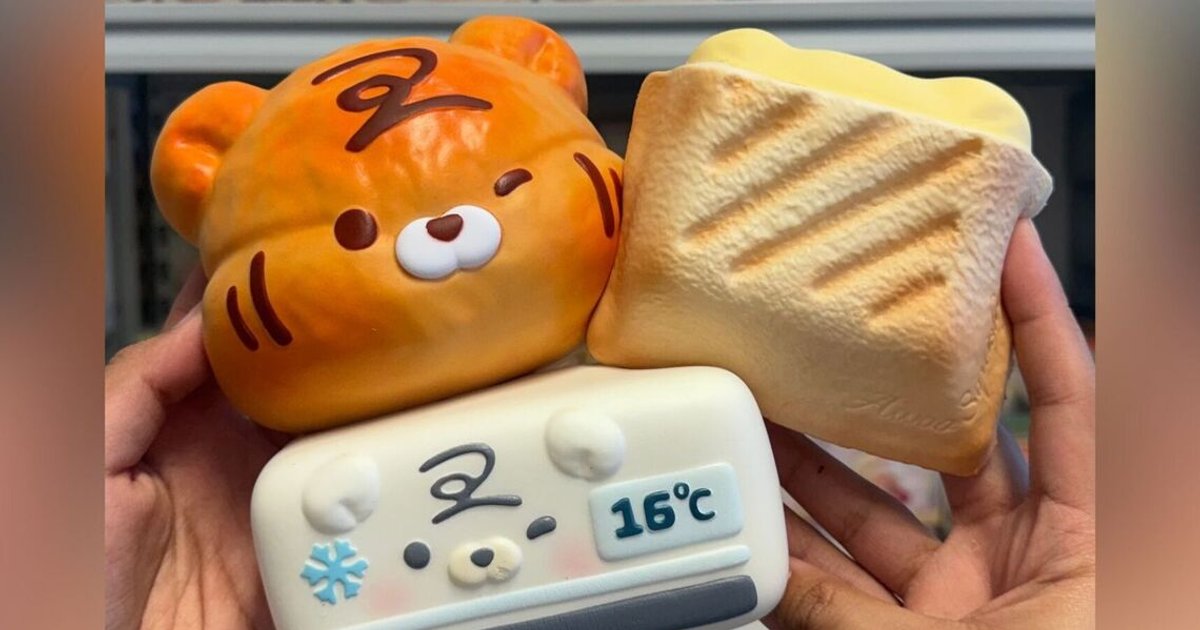
Singapore's squishy toy market is facing increased scrutiny as counterfeit products proliferate, raising concerns among retailers and consumers alike. The surge in fake items has coincided with overseas reports documenting the presence of harmful substances in low-quality squishy toys, prompting local businesses to reassess their supply chains and quality assurance procedures.
Retailers across the island are implementing enhanced safety protocols to differentiate legitimate products from counterfeits. These measures include stricter vendor verification, packaging authentication checks, and direct sourcing from certified manufacturers. Industry stakeholders emphasize that genuine squishy toys undergo rigorous testing to ensure compliance with international safety standards and contain no harmful chemicals.
The proliferation of counterfeit goods poses significant challenges for both established retailers and consumers. Fake products often lack proper labeling, contain unlisted materials, and bypass safety certification requirements that legitimate manufacturers must satisfy. Health authorities have warned that exposure to toxic substances found in substandard toys could pose risks to consumers, particularly children.
Local retailers are encouraging consumers to purchase from authorized dealers and examine packaging for signs of authenticity. Many businesses are also working with industry associations to establish clearer guidelines and standardized safety markers. Market observers note that while the counterfeit problem remains manageable in Singapore compared to other regional markets, vigilance remains essential to protect consumer health and legitimate business interests.