Business · Singapore Bureau
Singapore's Aging Population Faces Retirement Savings Challenge
As Singaporeans live increasingly longer lives, financial experts warn that traditional retirement savings may fall short of meeting extended care needs. Target-date investment funds are emerging as a potential solution to bridge the growing gap.
LSN Singapore ·
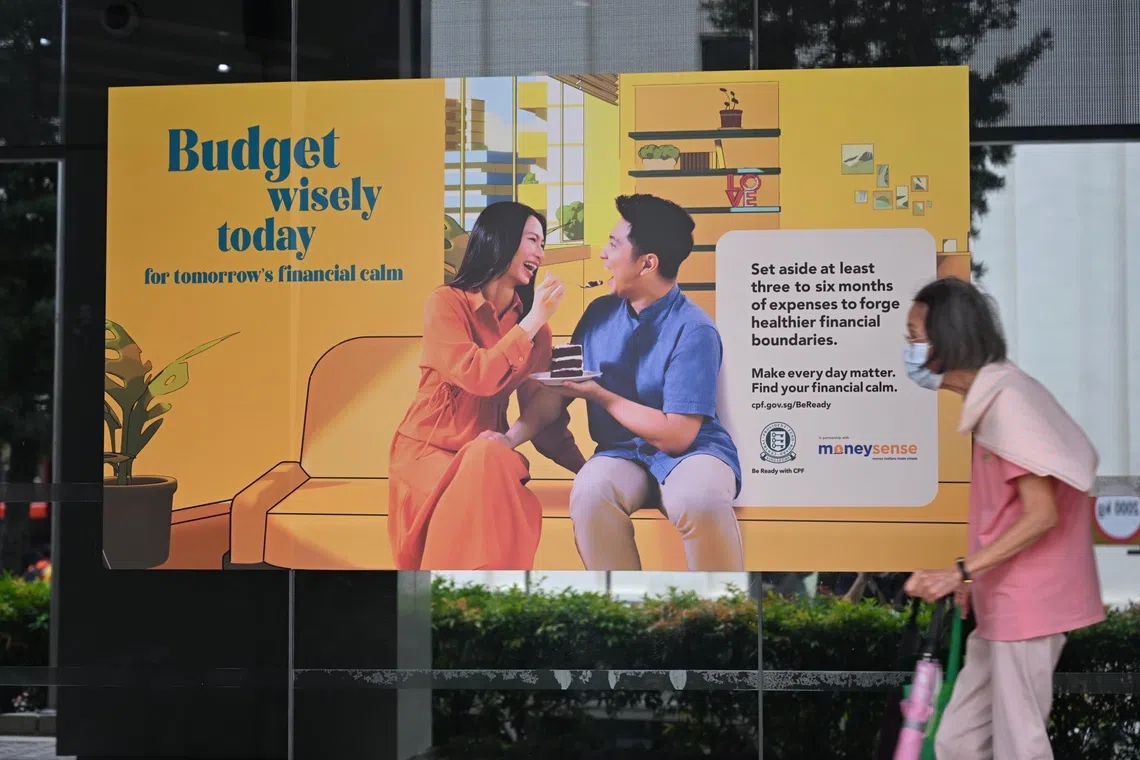
Singapore's demographic shift toward an aging population is placing renewed pressure on retirement planning, with many residents facing the prospect of outliving their savings. Life expectancy in the city-state has climbed steadily over recent decades, extending the period during which retirees must sustain themselves financially.
Traditional retirement accounts and fixed savings vehicles may prove insufficient for those expecting to spend 20 to 30 years in retirement. Financial advisors are increasingly pointing to target-date funds as a mechanism to address this challenge, allowing investors to build diversified portfolios that automatically adjust risk levels as they approach and enter retirement.
These funds typically start with aggressive investment allocations for younger savers, gradually shifting toward more conservative holdings as the target retirement date approaches. The approach aims to balance growth potential during working years with capital preservation closer to retirement, potentially yielding better outcomes than static investment strategies.
Experts stress that Singaporeans should regularly assess their retirement projections against actual life expectancy and inflation trends. Combining target-date funds with other savings vehicles—such as the Central Provident Fund and voluntary insurance products—may provide more comprehensive financial security for an extended retirement period.
As healthcare and living costs continue rising, financial planning professionals recommend that Singaporeans review their retirement strategies early and adjust contributions and investment approaches accordingly to ensure adequate resources throughout their later years.