World · Vietnam Bureau
Singapore's air quality deteriorates as Indonesian smoke drifts across region
Air quality in Singapore's central areas has slipped back into unhealthy territory as smoke from fires burning across Indonesia's Kalimantan and Sumatra provinces moves northward. The recurring haze underscores the regional challenge of transboundary air pollution in Southeast Asia.
LSN Vietnam ·
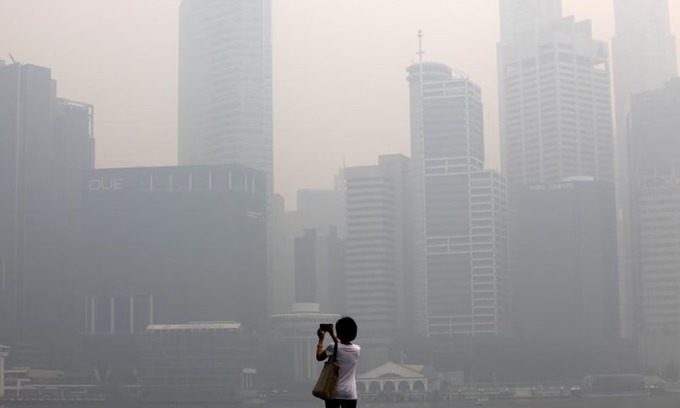
Singapore experienced a return to unhealthy air quality levels on Monday as smoke from active fires in Indonesia's eastern and southwestern regions spread across the Strait of Malacca and into the city-state's airspace.
The degradation marks a reversal after a period of improved conditions, with air quality indices in central Singapore rising into ranges that health authorities classify as potentially harmful for vulnerable populations. Residents with respiratory conditions, the elderly, and young children were advised to limit outdoor activities and consider wearing protective masks.
Indonesia's Kalimantan and Sumatra provinces have been grappling with seasonal fire activity, a recurring phenomenon typically intensified during dry weather patterns. The geographic proximity of these regions to Singapore means the city-state frequently experiences spillover effects from such fires, with prevailing winds carrying smoke and particulate matter northward across international borders.
The incident highlights the persistent challenge of transboundary air pollution affecting multiple Southeast Asian nations. Regional governments have long sought to coordinate responses to seasonal fires, though implementation of preventive measures and enforcement of environmental regulations remain inconsistent across the area.
The Singaporean National Environment Agency has continued to monitor air quality readings and issue regular updates to the public. Officials have recommended residents stay informed of daily air quality indices and take appropriate precautions based on their health status and exposure risk.