World · Vietnam Bureau
Singapore's air quality plunges to unhealthy levels across all regions
Singapore, long regarded as a regional leader in environmental management, experienced a significant deterioration in air quality on Tuesday, with all five monitoring regions recording unhealthy pollution levels simultaneously. The widespread air quality decline marks the first occurrence of such conditions across the city-state since September 2019.
LSN Vietnam ·
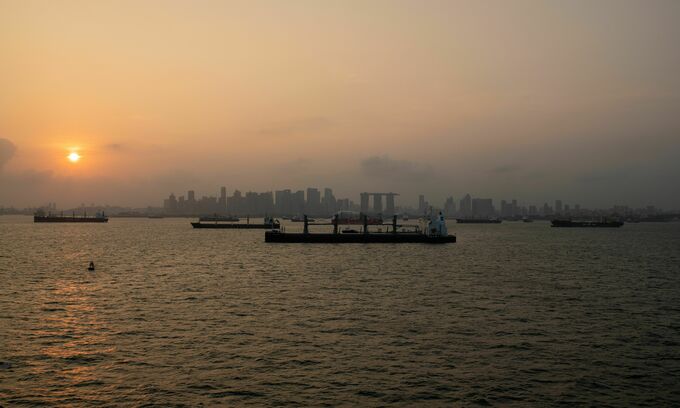
Singapore's renowned air quality standards faced an unprecedented challenge as pollution levels surged across the island nation on Tuesday. All five air quality monitoring regions—covering the city-state's north, south, east, west, and central areas—simultaneously recorded unhealthy readings, a development that underscores the vulnerability of even well-managed urban environments to atmospheric degradation.
The simultaneous unhealthy readings across all monitoring zones represented a significant departure from Singapore's typical air quality profile. The city-state has built an international reputation for maintaining strict environmental standards and clean air conditions through rigorous pollution controls and regional cooperation agreements with neighboring countries.
Tuesday's air quality deterioration coincided with meteorological conditions that likely trapped pollutants over the region. Such episodes highlight the ongoing challenge of maintaining air quality in Southeast Asia, where transboundary pollution from regional sources can overwhelm local emission controls during unfavorable weather patterns.
The last occasion when Singapore recorded unhealthy air quality across all monitoring regions occurred in September 2019, suggesting that Tuesday's event represents a relatively rare occurrence in the city-state's recent environmental record. Authorities typically implement enhanced monitoring and public health advisories when air quality reaches unhealthy levels, particularly for vulnerable populations including children, the elderly, and those with respiratory conditions.