World · Singapore Bureau
Singapore's bottle return scheme reshapes consumer recycling patterns
As Singapore's Beverage Container Return Scheme enters its final transition phase, evidence suggests the initiative is fundamentally altering how residents approach waste management. The programme raises questions about whether behavioural shifts will cement lasting recycling improvements.
LSN Singapore ·
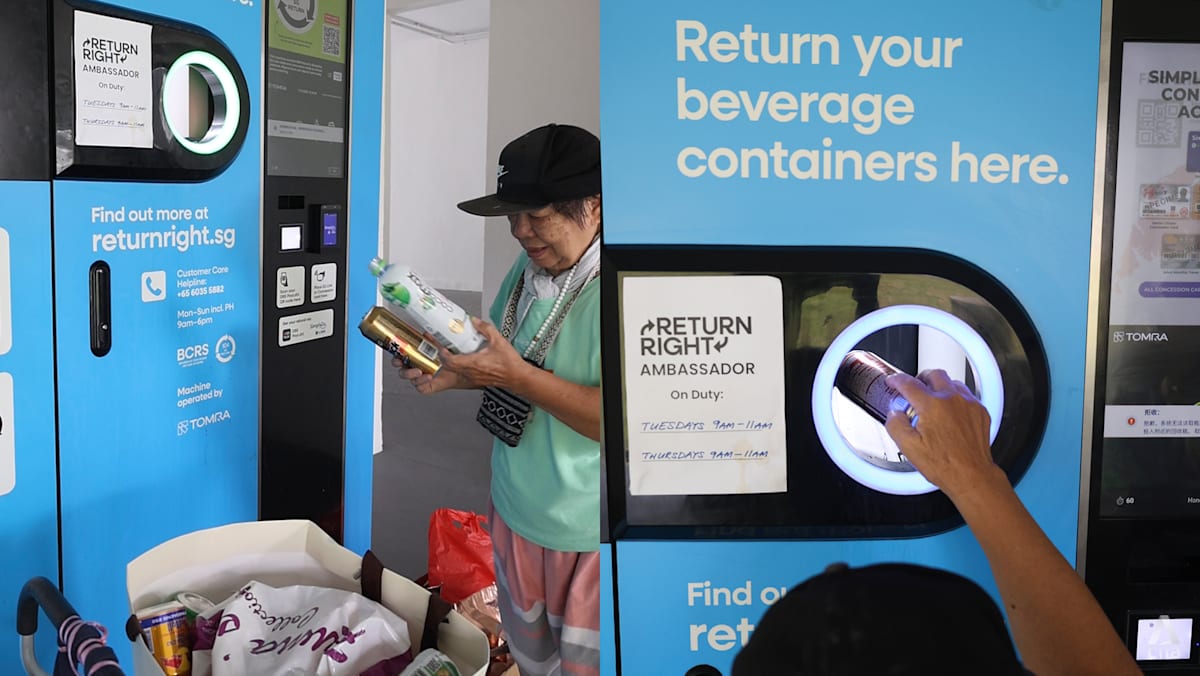
Singapore's mandatory Beverage Container Return Scheme is reshaping consumer habits as the city-state approaches the end of its transition period. The initiative, which incentivises the return of drink containers through financial rewards, has prompted a notable shift in how residents handle beverage waste, marking a departure from traditional disposal patterns.
The scheme operates on a straightforward principle: consumers receive refunds for returning eligible containers to designated collection points, creating a direct financial incentive for participation. Early data suggests the mechanism has proven effective at capturing containers that might otherwise enter the general waste stream, with participation rates demonstrating measurable engagement across demographic groups.
Behavioural economists note that the return scheme represents a significant intervention in waste management practices. By introducing tangible rewards for recycling, the programme transforms container disposal from a voluntary civic duty into a transaction with immediate personal benefit, fundamentally altering decision-making calculus for consumers.
However, sustainability experts emphasise that scheme participation during the transition period does not automatically guarantee permanent behavioural change. The critical question facing policymakers is whether the habits formed under financial incentive structures will persist once the novelty factor diminishes or whether enforcement mechanisms will require adjustment to maintain momentum.
As the scheme matures, Singapore's waste management agencies continue monitoring compliance patterns and collection efficiency. The long-term success of the initiative will likely depend on consumer perception of convenience, adequacy of collection infrastructure, and the degree to which environmental consciousness becomes independently motivating once financial incentives stabilise.