Politics · Singapore Bureau
Singapore's Enhanced Haze Law Requires International Cooperation
Singapore has unanimously passed amendments to strengthen its Transboundary Haze Pollution Bill, but authorities emphasize that domestic legislation alone cannot resolve the regional air quality crisis. The enhanced framework must be complemented by coordinated efforts across Southeast Asia.
LSN Singapore ·
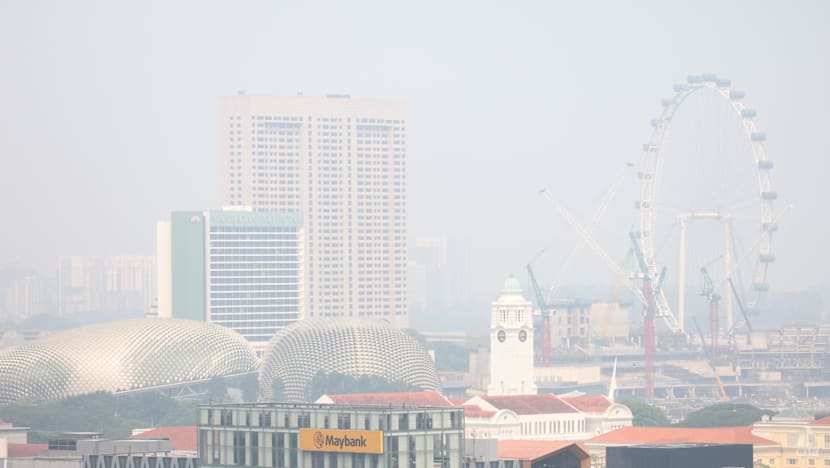
Singapore's Parliament has unanimously approved amendments to the Transboundary Haze Pollution Act following an extended six-hour debate involving 24 members of Parliament. The legislative move aims to bolster the city-state's capacity to combat recurring haze episodes that plague the region during dry seasons.
Environment and Water Resources Minister Grace Fu underscored that the strengthened legal framework, while important, represents only part of the solution to transboundary haze pollution. She stressed that effective mitigation requires sustained international cooperation with neighboring countries, particularly those where peatland and forest fires originate.
The amendment reflects Singapore's commitment to addressing air quality challenges that periodically affect public health and economic activity. However, the cross-border nature of haze pollution—driven largely by agricultural and land-clearing fires in Indonesia and Malaysia—necessitates coordinated regional responses that extend beyond any single nation's regulatory reach.
Authorities have indicated that Singapore will continue engaging with fellow ASEAN members to strengthen monitoring mechanisms, share data, and support fire prevention efforts. The enhanced domestic legislation provides Singapore with improved enforcement tools while diplomatic channels remain essential for achieving meaningful progress on regional haze reduction.