World · Singapore Bureau
Singapore's food security strategy focuses on essential supplies, not every product
Singapore's approach to food resilience centres on ensuring reliable access to essential food categories during disruptions, rather than maintaining availability of all products. The strategy aims to safeguard Singaporeans' ability to obtain key nutritional staples even when supply chains face challenges.
LSN Singapore ·
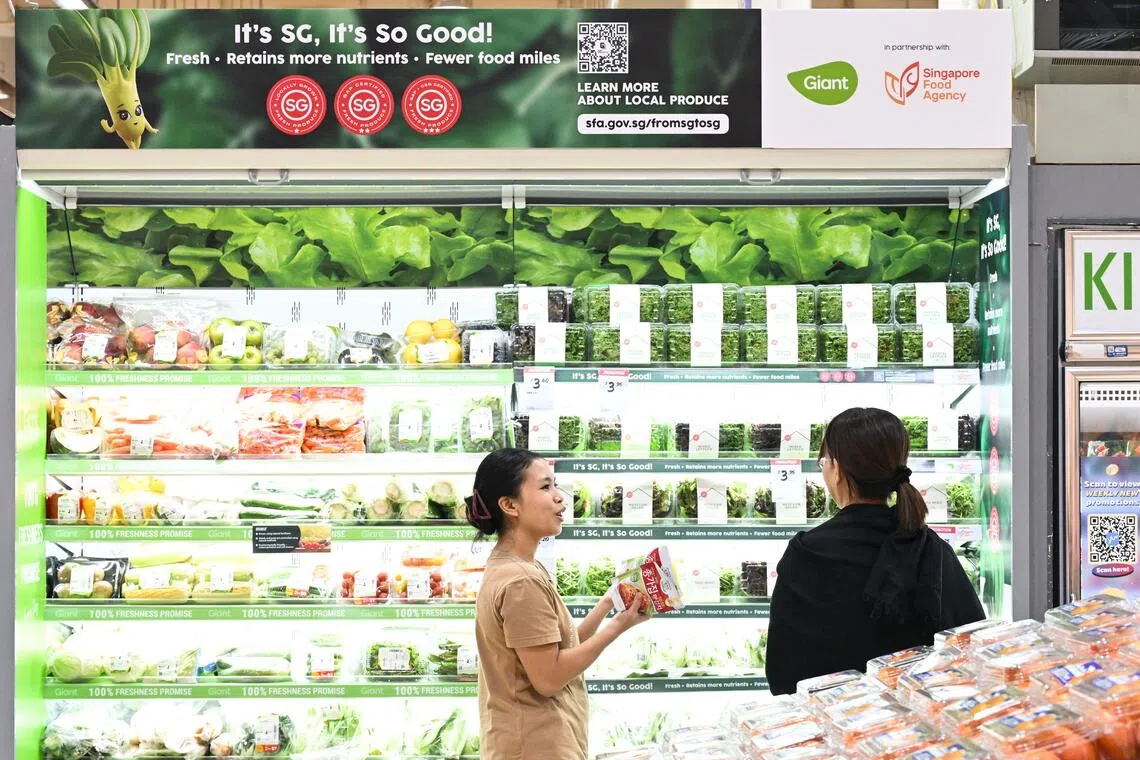
Singapore's food resilience framework prioritises guaranteeing access to fundamental food types rather than attempting to maintain the full range of products available during normal circumstances, according to government officials.
The distinction reflects a pragmatic approach to managing food security in a city-state heavily dependent on imports. By concentrating resources and planning efforts on essential food categories, authorities aim to ensure that critical nutritional needs can be met even when global supply disruptions occur.
This targeted strategy acknowledges the reality that maintaining complete product availability across all categories during crises would be neither practical nor economically viable. Instead, the focus remains on securing reliable supplies of core food groups that form the foundation of a balanced diet for the population.
The approach underscores Singapore's commitment to building a resilient food system capable of withstanding external shocks while recognising the constraints inherent in the island nation's geographic and economic circumstances. Authorities continue to work across production, importation, and distribution channels to strengthen the supply chains for priority food items.