Politics · Singapore Bureau
Singapore's Foreign Policy Balances Realism With Active Diplomacy
Singapore maintains strategic autonomy to uphold its principles and advance national interests amid complex geopolitical challenges, according to veteran diplomat Tommy Koh. The city-state's approach combines pragmatic realism with proactive engagement rather than passive observation of regional developments.
LSN Singapore ·
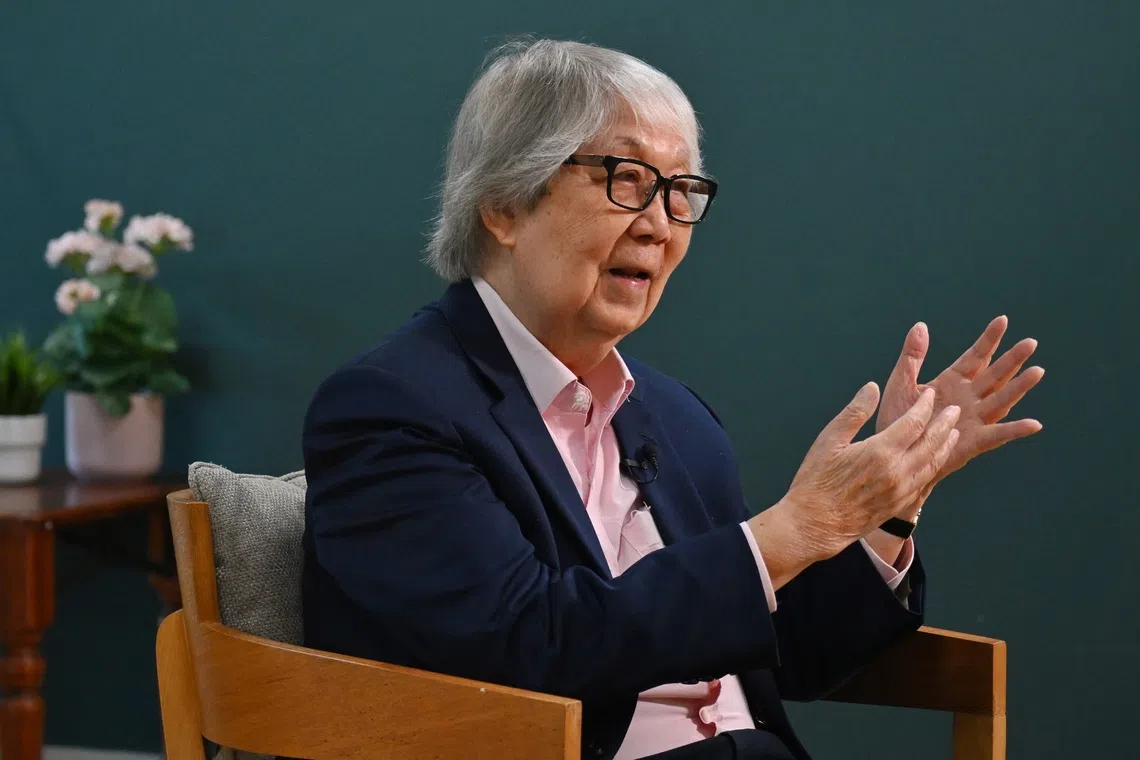
Singapore's foreign policy framework is grounded in realism but extends well beyond passive observation of regional dynamics, said Tommy Koh, a prominent figure in the country's diplomatic circles.
Koh emphasized that Singapore's approach to international relations hinges on maintaining strategic autonomy. This independence enables the nation to uphold its core principles while simultaneously pursuing its own national interests, even as geopolitical complexities intensify across the region.
The diplomat's remarks underscore Singapore's delicate balancing act in navigating relationships with major powers and regional partners. Rather than simply reacting to external events, Singapore actively shapes its diplomatic engagements and policy positions to reflect both its values and strategic objectives.
Koh's assessment reflects broader consensus among Singapore's policymaking establishment that the country's small size and geographic position require both principled stances on international issues and pragmatic calculations about national advantage. This dual approach has underpinned Singapore's survival and prosperity as an independent state in a region marked by competing interests among larger powers.
The emphasis on autonomy also signals Singapore's determination to resist pressures that might compromise its independence or force it into unwanted alignments, particularly as great power competition intensifies in Southeast Asia.