Politics · Singapore Bureau
Singapore's haze law untested as legal experts call for stronger enforcement
Legal scholars are mapping out ways to strengthen Singapore's Transboundary Haze Pollution Act, which has yet to result in any corporate prosecutions despite recurring air quality crises in the region.
LSN Singapore ·
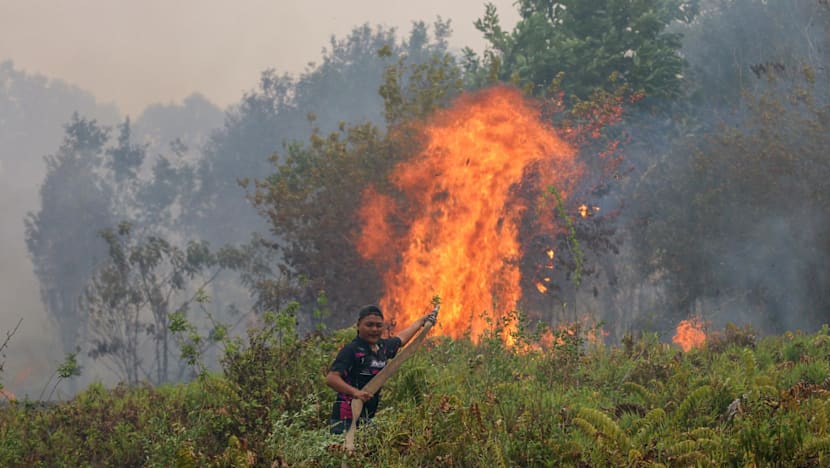
Singapore's landmark haze legislation remains largely unused in enforcement actions, prompting legal experts to examine how the Transboundary Haze Pollution Act can be made more effective in combating regional air pollution. Since its enactment, no company has been prosecuted under the law, raising questions about its practical application in addressing the recurring transboundary haze episodes that affect the city-state.
The absence of prosecutions reflects broader challenges in implementing the legislation, including difficulties in establishing causation across borders and coordinating with neighbouring countries where pollution sources originate. Legal analysts suggest that enhanced provisions, clearer enforcement mechanisms, and stronger inter-agency coordination could help address these structural limitations.
Experts are also examining complementary regulatory approaches that could strengthen Singapore's overall framework for managing haze risks. Proposals include tightening liability standards, expanding the scope of responsible parties, and improving real-time monitoring capabilities to facilitate faster regulatory responses. Such measures could provide regulators with additional tools to deter polluters and manage air quality during critical periods.
Stakeholders emphasize that proactive legal and regulatory improvements are essential as climate change and regional development patterns may intensify transboundary pollution risks. Strengthening enforcement capacity and updating legislation to reflect current environmental realities could position Singapore to better protect public health and air quality in the long term.