World · Singapore Bureau
Singapore's Jurong Region Line overcomes engineering challenges with innovative construction methods
The Jurong Region Line (JRL), Singapore's first fully elevated mass rapid transit system, required groundbreaking construction techniques to navigate complex urban terrain and minimal disruption windows. The project demonstrates how careful planning and innovative engineering solutions enabled the completion of this major transit infrastructure.
LSN Singapore ·
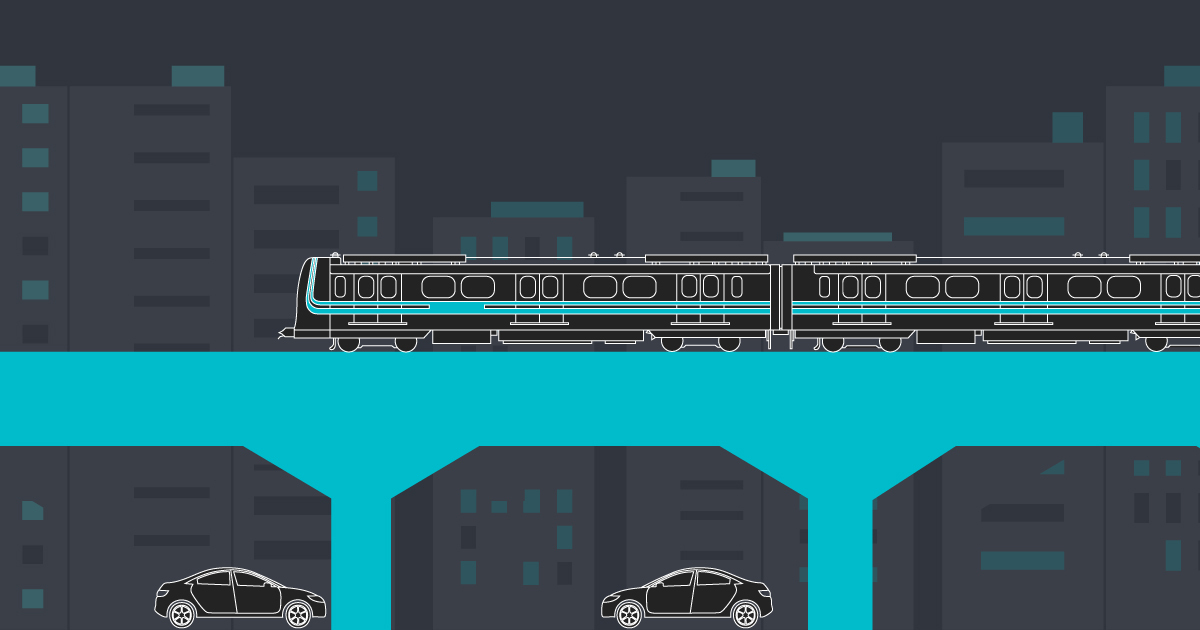
The Jurong Region Line represents a significant milestone for Singapore's transport network as the nation's inaugural fully elevated MRT line. Unlike previous systems that incorporated underground sections, the JRL's entirely elevated design presented distinct engineering challenges that required novel approaches to construction and project management.
Constructors faced substantial constraints working within Singapore's densely built environment. The four-hour construction windows between train services exemplified the precision required to advance the project while maintaining operations on existing rail networks. These narrow timeframes demanded meticulous coordination, pre-fabrication of components, and synchronised work sequences to maximise productivity during each available window.
The terrain and urban landscape surrounding the JRL route necessitated sophisticated engineering solutions. Elevated rail structures required careful integration with existing infrastructure, utilities, and buildings. Engineers employed innovative techniques in foundation work, structural assembly, and systems installation to overcome these physical and logistical obstacles.
The successful completion of the JRL underscores Singapore's capability to execute complex transit infrastructure projects despite spatial constraints. The line's fully elevated design and construction methodology establish new benchmarks for future public transport development in the region, demonstrating how careful planning and engineering innovation can deliver major infrastructure within challenging urban environments.