World · Singapore Bureau
Singapore's PSI and AQI readings: Understanding the difference during haze
Singapore's National Environment Agency tracks air quality using the 24-hour PSI and 1-hour PM2.5 measurements, but online platforms often report alternative indices that can create confusion during haze episodes.
LSN Singapore ·
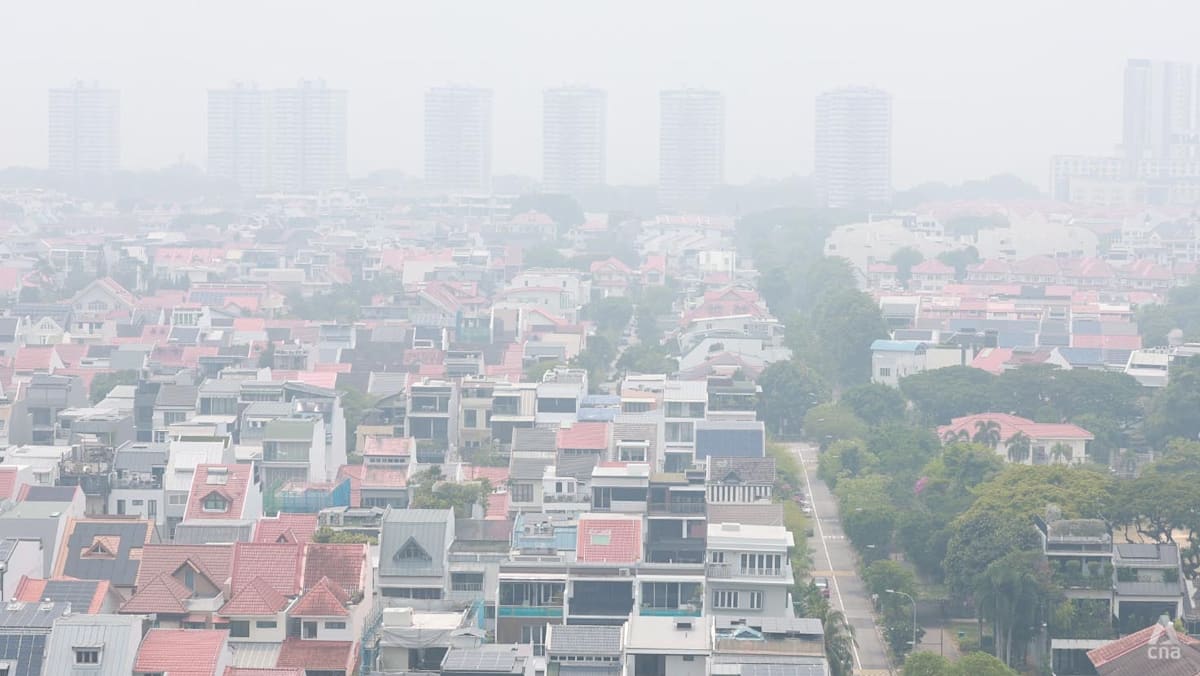
As haze season approaches, residents monitoring air quality readings may notice discrepancies between different measurement systems, leading to questions about which indicator to trust. Singapore's official air quality metric comes from the National Environment Agency (NEA), which publishes the Pollutant Standards Index (PSI) based on 24-hour averages and one-hour PM2.5 concentrations. These measurements provide the most reliable snapshot of air pollution levels affecting the island nation.
Other online platforms and weather applications frequently display the Air Quality Index (AQI), which operates under different calculation methodologies and averaging periods. The variance between PSI and AQI stems from fundamental differences in how each index weighs pollutants and determines health impact thresholds. While both aim to communicate air quality to the public, their distinct technical frameworks can produce noticeably different readings for the same pollution event.
During periods of poor air quality, residents should prioritise the NEA's PSI readings as the authoritative source for Singapore-specific air quality information and health guidance. The 24-hour PSI average provides a more comprehensive assessment of cumulative pollution exposure than shorter-term measurements. NEA issues health advisories and air quality warnings based on PSI thresholds, making these readings the most relevant for local decision-making regarding outdoor activities and health precautions.
Understanding these measurement differences becomes particularly important as seasonal transboundary haze affects the region. Residents can access NEA's official air quality data through dedicated websites and mobile applications, ensuring they receive consistent, locally-calibrated information during episodes of elevated pollution.