Politics · Singapore Bureau
Singapore's toughened haze law may finally enforce regional accountability
Singapore has strengthened its legal arsenal to combat transboundary haze pollution, shifting from reactive measures to proactive enforcement. Legal experts suggest the revised framework could compel greater responsibility from regional sources before smoke reaches the island.
LSN Singapore ·
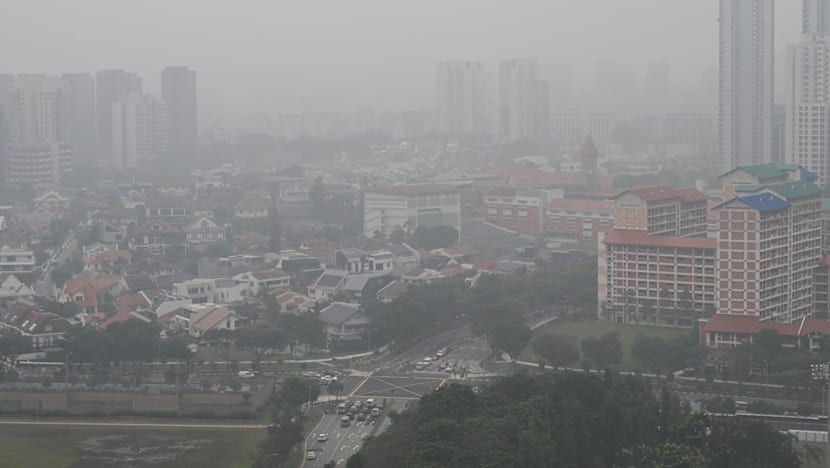
Singapore's revised haze legislation represents a significant shift in the city-state's approach to managing transboundary air pollution, moving beyond a purely reactive posture to enable intervention before degraded air quality becomes visible across its skyline.
Previously, Singapore's legal framework allowed authorities to act only after haze had already arrived and affected air quality metrics. The updated provisions expand the government's capacity to take enforcement action upstream, potentially targeting pollution sources before smoke crosses borders.
The enhanced regulatory framework addresses a persistent challenge in Southeast Asia, where haze from agricultural burning and industrial activity in neighbouring countries regularly blankets Singapore and other regional economies. Legal analysts note that the strengthened provisions could establish clearer accountability mechanisms and provide greater deterrent power against practices that generate transboundary pollution.
However, the effectiveness of the revised law will ultimately depend on enforcement consistency and regional cooperation. Experts caution that legal tools alone cannot resolve the haze problem without coordinated action from source countries and sustained diplomatic engagement across Southeast Asia.
The legislative amendments reflect Singapore's determination to protect public health and economic interests from seasonal pollution episodes that have disrupted air quality and visibility for decades. Whether the tougher legal framework translates into measurable improvements will become apparent during the next extended haze episode.