Business · Singapore Bureau
Singapore's wealth tax debate should examine property gains source
Experts argue Singapore's wealth tax discussion should broaden beyond inheritance concerns to question whether property price appreciation represents private earnings or collective wealth creation. The debate carries significant implications for how the city-state approaches economic inequality.
LSN Singapore ·
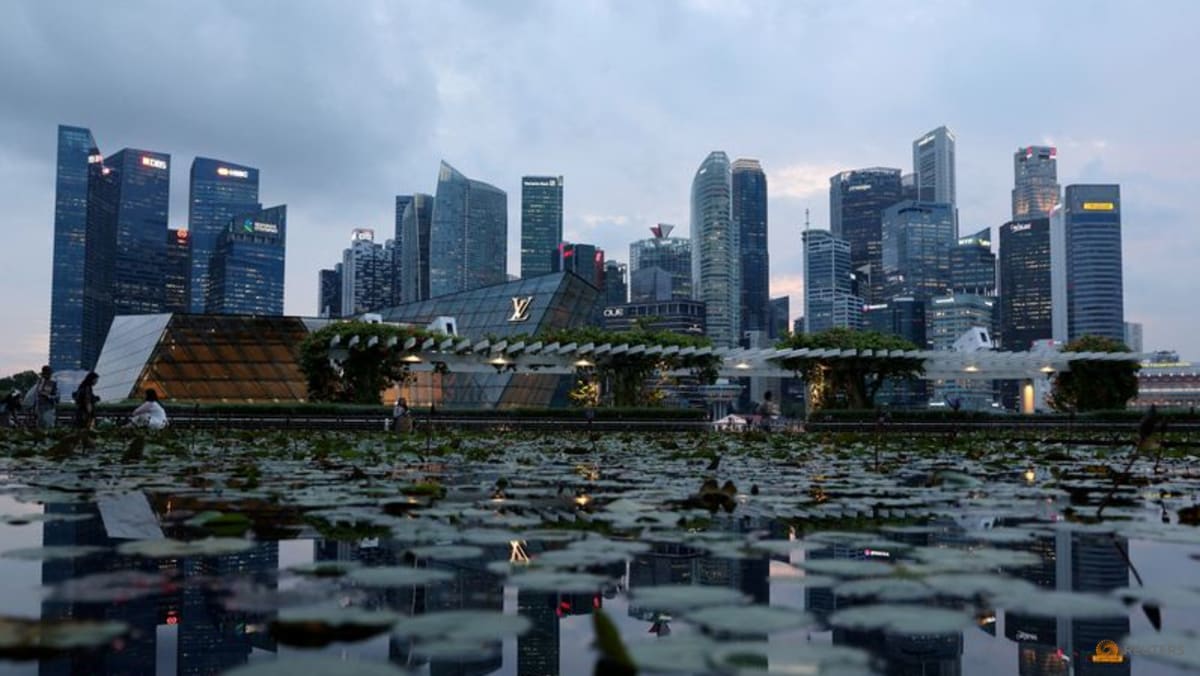
Singapore's ongoing debate over a potential wealth tax has largely centered on concerns about inheritance and intergenerational wealth transfer. However, analysts suggest the conversation should expand to examine a more fundamental question: whether substantial property price gains should be considered privately earned wealth or collectively generated value.
This distinction matters significantly for tax policy. Property prices in Singapore, like most developed economies, are influenced by broader factors including infrastructure development, population growth, economic policies, and general market conditions—many of which reflect collective societal investments rather than individual effort.
Proponents of this broader perspective argue that when homeowners benefit substantially from rising property values driven by public infrastructure or macroeconomic factors, a portion of those gains arguably represents value created by the wider community. This framing could justify taxation mechanisms distinct from traditional inheritance levies.
The issue highlights deeper questions about wealth creation and distribution in Singapore's economy. As policymakers consider wealth tax options, determining which components of asset appreciation merit taxation based on their origins—individual or collective—may prove more productive than focusing solely on inheritance patterns.
These considerations remain central to Singapore's fiscal and social policy discussions as the government continues evaluating approaches to address economic inequality while maintaining competitive advantages.