World · Singapore Bureau
Singapore shifts urban development focus to integrated smart city ecosystem
Singapore's real estate sector is moving away from isolated property developments toward interconnected urban systems designed to enhance sustainability and intelligence. The transition signals a fundamental restructuring of how the city-state plans and builds for its future.
LSN Singapore ·
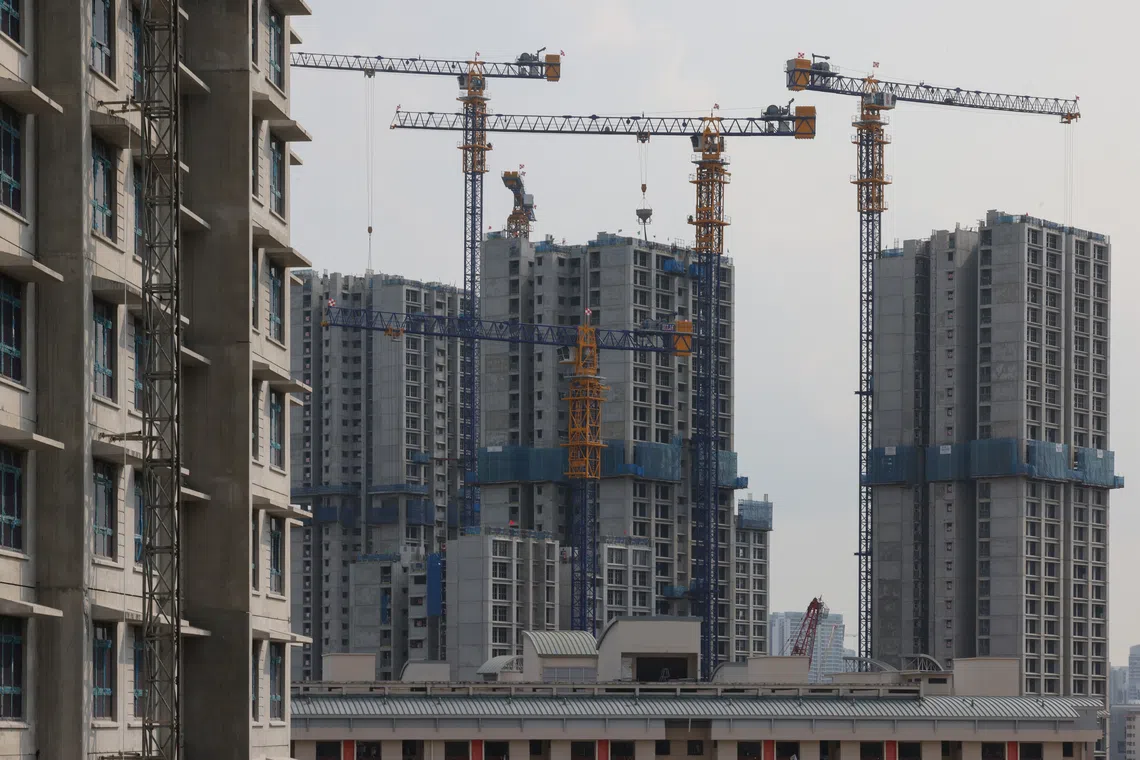
Singapore is charting a new course in urban development by prioritizing integrated ecosystems over standalone property assets, marking a significant shift in how the city-state approaches its built environment. The move reflects growing recognition that modern cities require coordinated infrastructure, services, and digital systems working in concert rather than in silos.
The emerging model emphasizes connectivity across residential, commercial, and civic spaces while embedding smart technologies and sustainability measures throughout urban planning. This approach seeks to optimize resource use, reduce environmental impact, and improve quality of life by ensuring that individual developments contribute to broader city-wide objectives.
The transition encompasses multiple dimensions, from energy management and waste systems to mobility networks and digital infrastructure. Planners are increasingly designing precincts and districts as cohesive units rather than discrete projects, with each component engineered to interact with surrounding developments and city systems.
This strategy positions Singapore to address challenges inherent in dense urban living while maintaining its competitive advantage as a global financial and business hub. By embedding sustainability and technological intelligence into foundational planning rather than treating them as add-ons, the city aims to create more resilient, efficient, and livable urban spaces for residents and businesses alike.
The shift represents a maturation of urban development philosophy, moving beyond traditional real estate thinking toward viewing cities as complex, dynamic systems requiring coordinated management and forward planning.