World · Singapore Bureau
Singapore showcases climate adaptation strategies through innovative exhibition
A new exhibition in Singapore highlights practical and creative solutions for coping with climate change impacts, from disease vector management to personal cooling technologies. The display underscores the city-state's commitment to building resilience against environmental shifts.
LSN Singapore ·
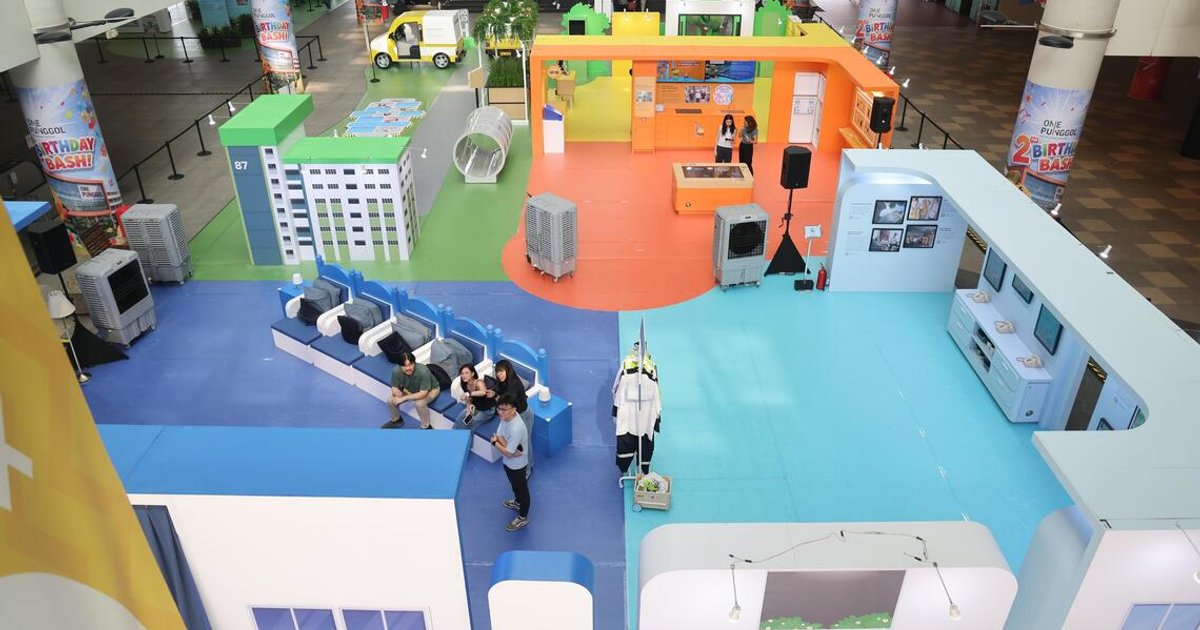
Singapore has launched a comprehensive exhibition exploring how residents and institutions can adapt to the effects of climate change, featuring both scientific approaches and consumer-friendly innovations. The display examines how rising temperatures and changing weather patterns are reshaping daily life in the tropical city-state, presenting strategies that range from mosquito control initiatives to wearable cooling technology.
Mosquito populations are expected to thrive in warming conditions, potentially increasing the transmission risk of dengue fever and other vector-borne diseases. The exhibition outlines prevention measures and surveillance techniques that Singapore's health authorities are implementing to manage this public health challenge. Alongside disease prevention, the showcase demonstrates how personal cooling vests and similar heat-mitigation devices offer practical relief as urban temperatures climb.
The exhibition reflects Singapore's broader climate adaptation framework, which combines infrastructure upgrades, urban planning modifications, and public awareness campaigns. Officials emphasize that adaptation strategies must address multiple sectors simultaneously, including public health, urban design, and individual behavior change. The display aims to engage visitors of all ages in understanding their role in building a more climate-resilient community.
As Singapore continues to face climate pressures from rising sea levels, increased rainfall variability, and sustained heat stress, such public-facing initiatives serve to educate and mobilize the population. The exhibition underscores that effective adaptation requires coordinated action across government, business, and households, with each stakeholder contributing to the city's long-term environmental sustainability.