World · Singapore Bureau
Singapore study links higher PM2.5 levels to spike in respiratory emergencies
A new study has established a clear correlation between elevated PM2.5 particulate matter and increased emergency department visits for asthma and chronic respiratory disease in Singapore. The findings highlight the health risks posed by fine particulate pollution, one of six pollutants tracked in the city-state's Pollutant Standards Index.
LSN Singapore ·
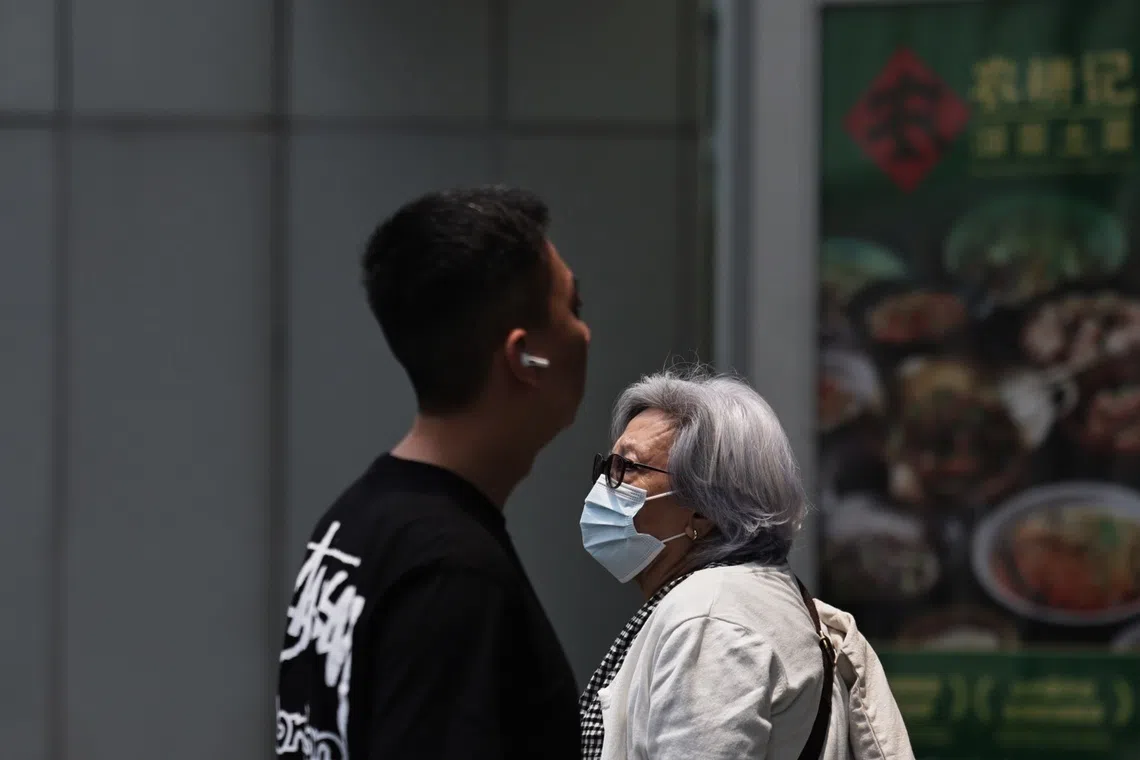
Researchers examining health data in Singapore have documented a significant rise in emergency visits related to asthma and chronic respiratory conditions during periods of elevated PM2.5 levels. The study adds to growing scientific evidence linking fine particulate matter exposure to acute respiratory health episodes requiring urgent medical intervention.
PM2.5 refers to airborne particles with a diameter of 2.5 micrometers or smaller, small enough to penetrate deep into the lungs and bloodstream. The pollutant is one of six substances measured under Singapore's Pollutant Standards Index, a monitoring system that tracks air quality across the island nation.
The research suggests that individuals with pre-existing respiratory conditions face heightened vulnerability when PM2.5 concentrations rise. Public health officials have long emphasised the importance of air quality monitoring given Singapore's geographic position and susceptibility to regional air pollution events.
The findings are expected to inform public health messaging and encourage residents with asthma and chronic respiratory diseases to take precautions during periods of elevated PM2.5 levels, such as limiting outdoor activities and using air filtration measures indoors.