World · Singapore Bureau
Singapore surgeon shares lessons from under-resourced Sudan hospital
A Singaporean medical professional has drawn insights from working at a 91-bed facility serving a region vastly larger than the city-state, highlighting innovative approaches to healthcare delivery in resource-constrained settings.
LSN Singapore ·
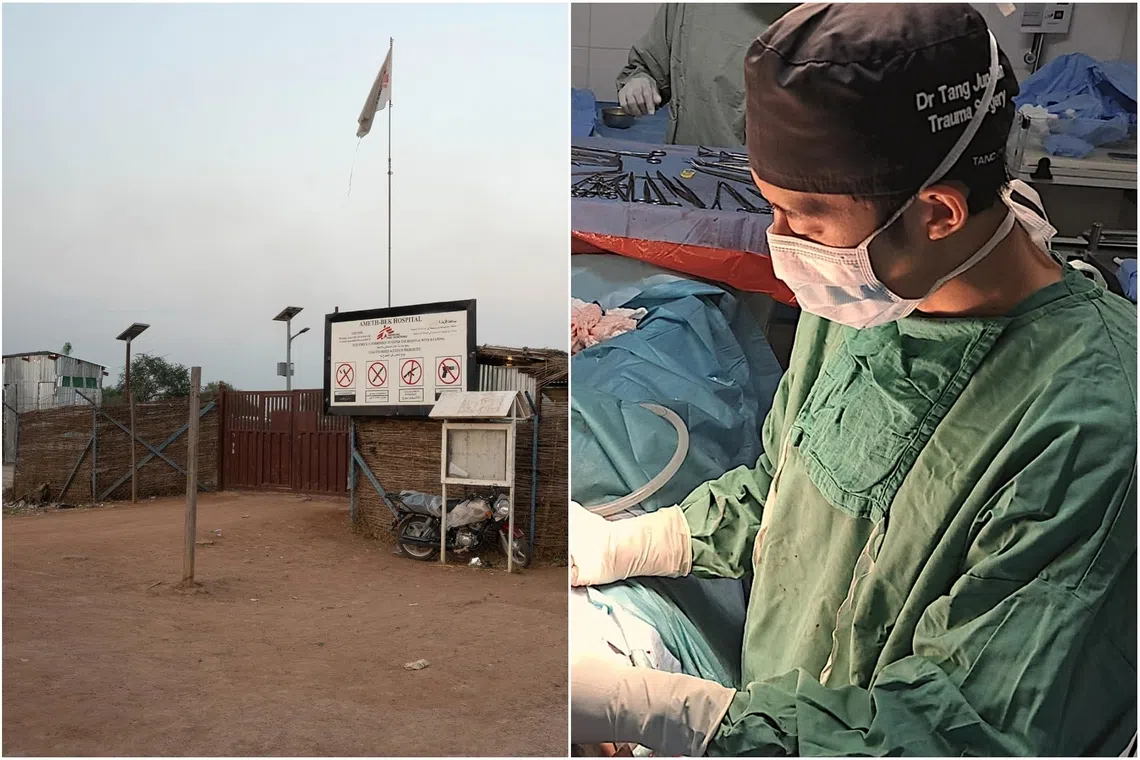
A hospital nestled between two regions of Sudan offers unexpected lessons for healthcare practitioners worldwide, particularly those from developed nations accustomed to abundant resources. The 91-bed Ameth-Bek Hospital serves a catchment area approximately 15 times the size of Singapore, placing extraordinary demands on its limited infrastructure and staff.
The facility's operational model demonstrates how strategic prioritization and creative problem-solving can maximize healthcare outcomes despite significant constraints. Medical professionals working in such environments are forced to adopt innovative approaches to patient care, resource allocation, and clinical decision-making that stand in stark contrast to practices in well-equipped urban hospitals.
A Singaporean surgeon's experience at the hospital underscores universal principles applicable across healthcare systems: the importance of clinical acumen over technological dependency, the value of community engagement in health delivery, and the critical role of staff motivation in austere conditions. These insights prove particularly relevant as healthcare systems globally grapple with efficiency challenges and rising demands.
The lessons extend beyond humanitarian contexts, offering practical wisdom for healthcare leaders in developed economies seeking to optimize operations and improve resilience. As Singapore and regional healthcare providers explore sustainable models for the future, experiences from under-resourced facilities provide valuable perspective on essential versus ancillary services, cost-effectiveness, and patient-centered care delivery.
Such cross-cultural medical exchanges underscore the reciprocal value of global health engagement, where knowledge flows not merely from developed to developing contexts, but equally in reverse.