World · Singapore Bureau
Singapore tightens haze laws but experts warn legislation alone insufficient
New regulations aim to tackle transboundary pollution, yet specialists say enforcement and regional cooperation remain critical gaps in addressing the recurring air quality crisis.
LSN Singapore ·
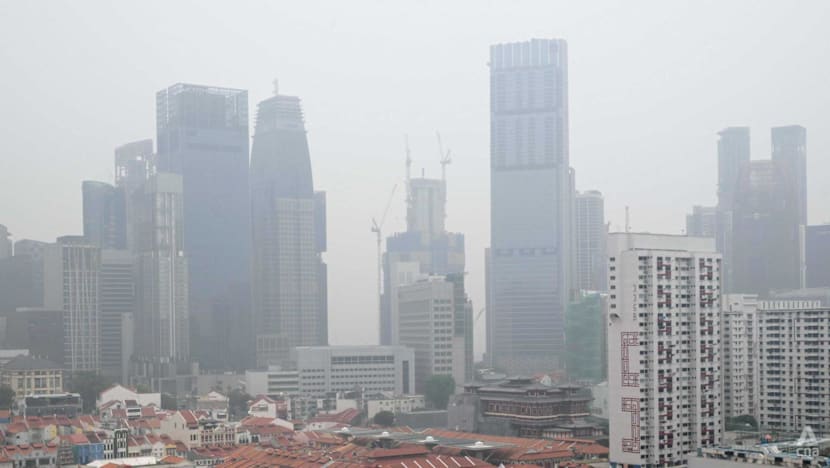
Singapore is moving to strengthen its legislative framework against haze pollution, introducing tougher measures to combat the seasonal air quality deterioration that has plagued the region. The enhanced regulations target sources of transboundary haze, particularly from agricultural burning and industrial activities across Southeast Asia, reflecting growing frustration over repeated pollution episodes.
However, legal measures alone may prove insufficient to solve the persistent problem, according to policy experts monitoring the region's environmental challenges. While stricter domestic regulations can address local pollution sources and hold regional actors accountable, the transboundary nature of haze requires coordination mechanisms that extend beyond Singapore's borders and legislative reach.
The effectiveness of toughened haze laws will depend heavily on enforcement capabilities and the willingness of neighbouring countries to adopt complementary measures. Regional cooperation frameworks, technology transfer, and assistance to neighbouring nations in managing agricultural practices remain essential components of any comprehensive solution. Experts emphasise that legislative strength must be paired with diplomatic engagement and practical support to upstream pollution sources.
Singapore's approach reflects the city-state's recurring vulnerability to haze episodes, which disrupt economic activity and pose public health risks. Recent moves to strengthen penalties and expand regulatory scope signal commitment to addressing the issue, though observers caution that sustained improvements will require sustained regional dialogue and investment in pollution prevention technologies across Southeast Asia.