World · India Bureau
Singapore transforms waste ash into thriving 350-hectare nature island
Singapore has converted incinerated waste into Semakau Landfill, a 350-hectare man-made island that has become an unexpected haven for mangroves, coral reefs and migratory birds. The innovative project demonstrates how advanced waste management can coexist with environmental conservation.
LSN India ·
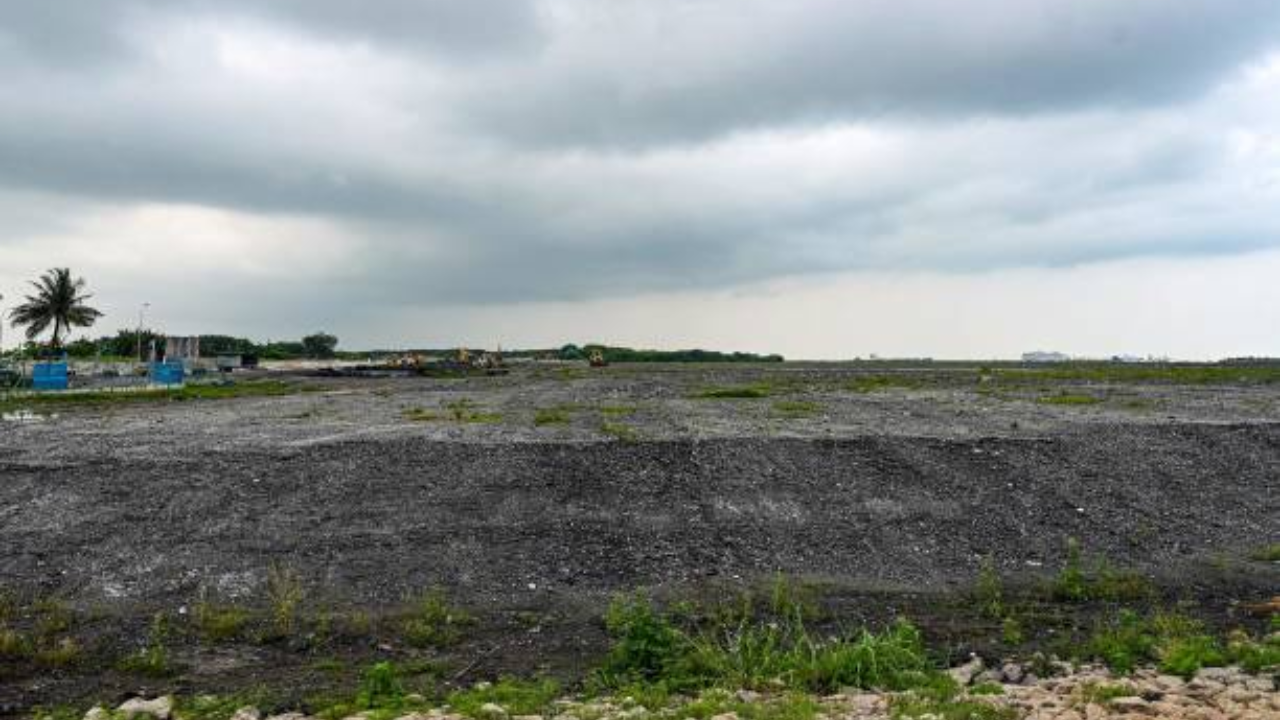
Singapore's Semakau Landfill stands as a testament to turning environmental challenges into ecological opportunities. Constructed from ash and residue generated by the city-state's waste incineration facilities, the sprawling island has evolved into a biodiverse habitat where nature has reclaimed engineered landscapes.
The landfill's success lies in its dual purpose: managing Singapore's scarce land resources while simultaneously creating conditions favourable for marine and avian life. Mangrove forests have taken root along the island's shores, while coral colonies have established themselves in surrounding waters. The site has also become a significant stopover for migratory bird species, transforming what might have been a purely industrial facility into a living ecosystem.
Operational since 1999, the landfill exemplifies Singapore's approach to resource constraints through technological innovation and environmental stewardship. The facility is projected to remain in use until 2035, providing crucial waste management capacity for the densely populated island nation.
The Semakau project has garnered international attention as a model for sustainable waste management, demonstrating that modern incineration facilities need not preclude environmental restoration. Environmental specialists note the site's significance in showing how careful planning and monitoring can allow industrial infrastructure and conservation objectives to coexist successfully.