Technology · Singapore Bureau
Singapore universities shift focus from detecting AI to assessing critical thinking
Five major local institutions have opted against deploying AI detection tools, instead redesigning assessments to evaluate student reasoning and analytical capabilities. The approach reflects a broader shift in how universities are adapting to generative AI in academic settings.
LSN Singapore ·
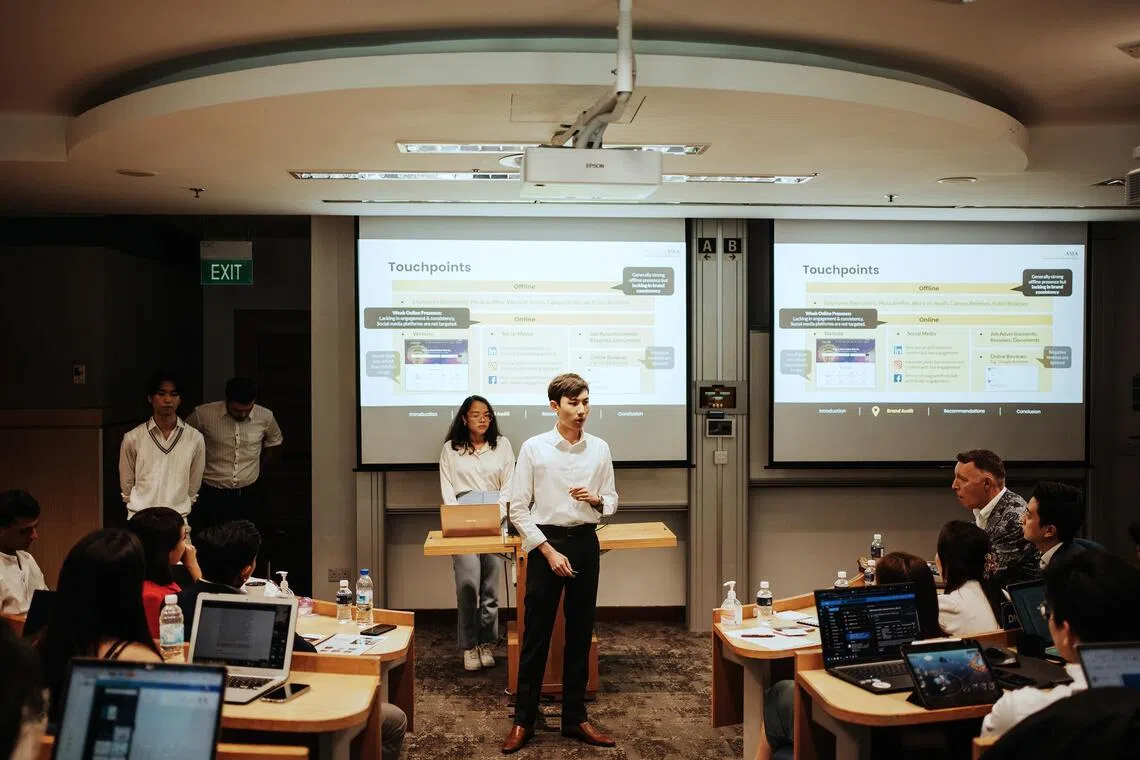
Singapore's universities are taking a different tack in response to generative artificial intelligence, moving away from policing technology use toward fundamentally rethinking how they evaluate student work. The National University of Singapore, Nanyang Technological University, Singapore University of Social Sciences, Singapore University of Technology and Design, and Singapore Institute of Technology have chosen not to implement AI detection systems in their assessment processes. Rather than flagging potential misuse, these institutions are redesigning assignments and examinations to emphasize critical thinking, problem-solving and analytical reasoning—skills that are harder to artificially generate and more reflective of genuine learning. The shift signals institutional recognition that detection tools are imperfect and that educators should focus on outcomes rather than enforcement. By restructuring assessments to require students to demonstrate their reasoning process, explain their methodologies, and engage in deeper intellectual work, universities are creating evaluation frameworks where human thinking becomes the primary measure of success. This approach aligns with evolving global best practices that treat AI as an inevitable feature of modern education rather than a threat to be prevented, positioning Singapore's academic sector at the forefront of practical adaptation to technological change.