World · Singapore Bureau
Singapore workplace recording laws: When secret meetings can cost you your job
A tribunal case has highlighted the legal risks employees face when secretly recording workplace meetings in Singapore. Experts say the practice can breach privacy laws and lead to disciplinary action or dismissal.
LSN Singapore ·
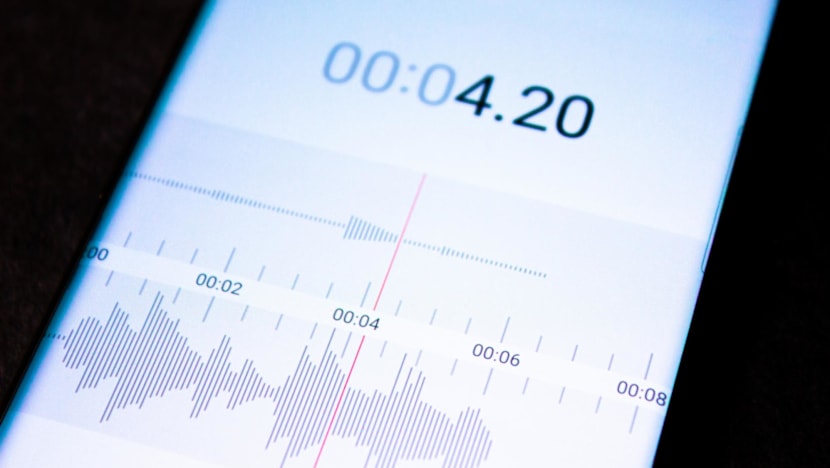
Secret recordings of workplace conversations have become an increasingly contentious issue in Singapore's employment landscape, with a recent tribunal hearing underscoring the potential legal consequences for workers who choose to document meetings without consent.
Under Singapore law, recording conversations without all parties' knowledge or permission can violate the Personal Data Protection Act and common law principles around privacy and confidentiality. Employers typically argue that such recordings breach workplace policies and represent a breach of trust, grounds for disciplinary action up to and including termination.
The distinction between lawful and unlawful recording often hinges on consent and context. While individuals may have legitimate reasons to document interactions—such as protecting themselves against unfair treatment—the law does not automatically protect employees who record unilaterally. Tribunals have consistently held that secret recordings, even if intended defensively, can constitute misconduct warranting dismissal.
Employment lawyers advise workers facing concerns in the workplace to seek alternative remedies, such as written documentation of incidents, witness accounts, or formal complaints through proper channels. These approaches provide legal protection without exposing employees to the significant risks associated with covert recording. Employers, meanwhile, should ensure clear policies on recording and communication are in place to prevent misunderstandings.