World · Singapore Bureau
Singapore youth battle 'friendship recession' through interest-based communities
Fewer young Singaporeans report having close friend circles, with just 48 per cent maintaining more than three close friendships in 2025 compared to 56 per cent a decade ago. Despite the trend, some are finding new ways to forge meaningful connections.
LSN Singapore ·
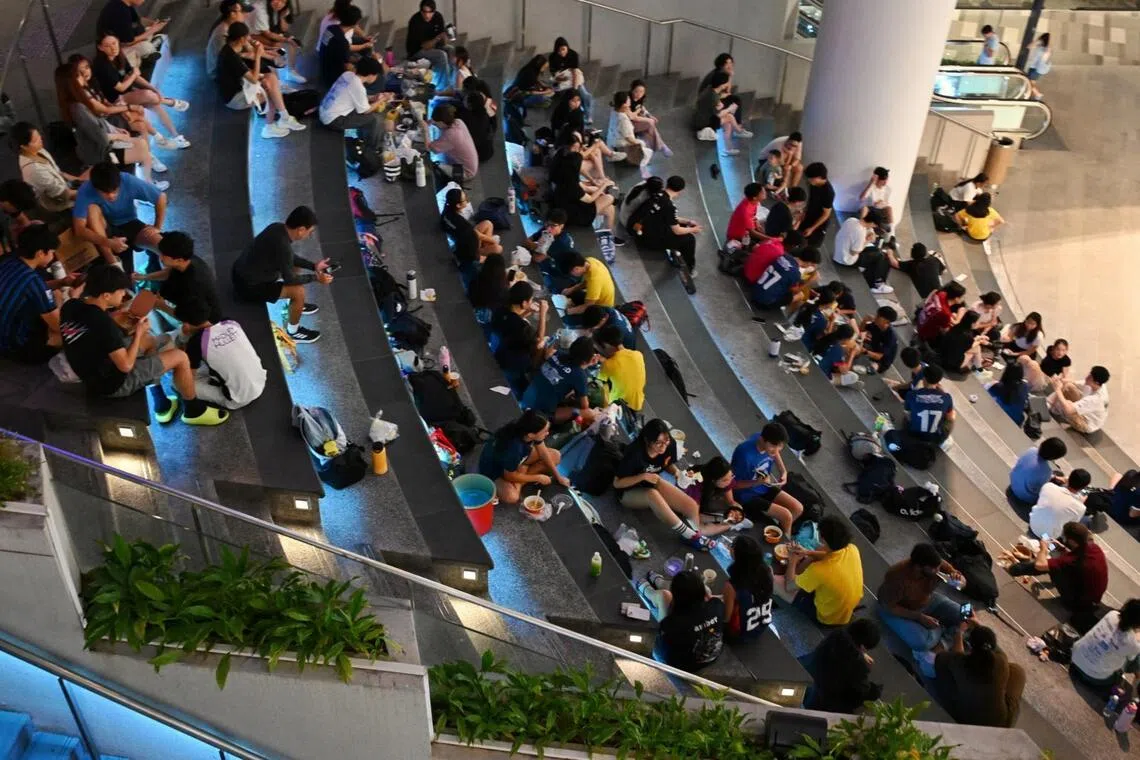
Singapore's young adults are experiencing a notable contraction in their friendship circles, according to recent data tracking social bonds among the city-state's youth population. The proportion of young people reporting more than three close friends has declined significantly over the past 12 years, falling from 56 per cent in 2013 to 48 per cent in 2025.
The phenomenon reflects broader challenges young Singaporeans face in maintaining friendships amid competing demands from education, careers, and digital engagement. Urbanisation, mobility, and the shift towards online interaction have all contributed to the erosion of traditional social networks that once formed the backbone of youth communities.
In response to this "friendship recession," some young Singaporeans are proactively seeking connection through alternative channels. Interest-based communities—ranging from hobby clubs to online forums and activity groups—have emerged as spaces where individuals with shared passions can establish meaningful relationships. These communities offer structured environments for regular interaction, helping bridge gaps left by shrinking personal networks.
The trend underscores a potential shift in how younger generations approach friendship formation. Rather than relying solely on proximity-based connections developed through schools or neighbourhoods, many are consciously building social bonds through deliberate participation in communities aligned with their interests and values.
As Singapore continues to evolve, the challenge of maintaining robust social networks among youth remains an area of concern for policymakers and community leaders seeking to foster social cohesion.