World · Singapore Bureau
Singlish reflects Singapore's multicultural identity, linguists say
Singapore's colloquial English variant has emerged as a linguistic embodiment of the nation's diverse racial and cultural heritage. Experts argue the distinctive dialect represents a uniquely Singaporean form of communication shaped by the country's multilingual environment.
LSN Singapore ·
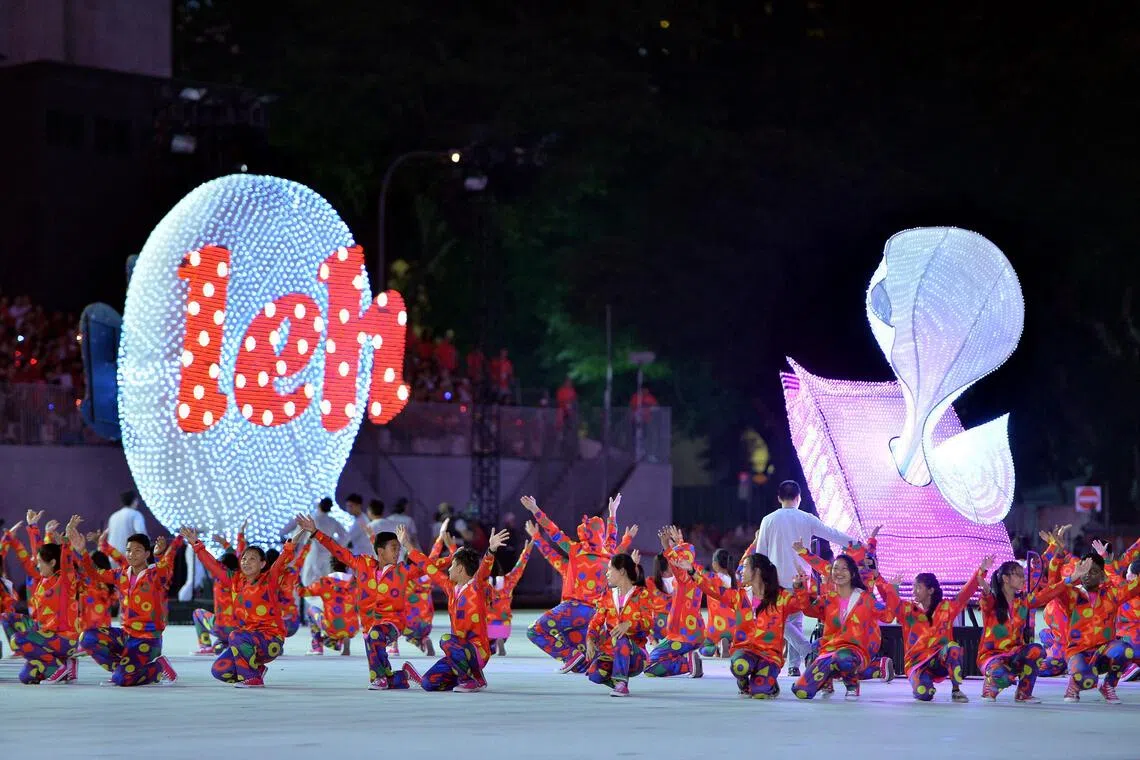
Singlish, the informal English spoken across Singapore, serves as more than just a communication tool—it functions as a cultural marker reflecting the island nation's multicultural fabric. The dialect incorporates grammatical structures, vocabulary, and phonetic elements drawn from Mandarin, Malay, Tamil, and other languages present in Singapore's communities.
Linguists have long recognised colloquial Singapore English as a natural evolution arising from the country's linguistic diversity. The speech variety demonstrates how language adapts and transforms when multiple ethnic and cultural groups interact within a shared space over generations.
The widespread use of Singlish across all social strata underscores its role in establishing a common Singapore identity. From hawker centres to workplaces, the dialect bridges communication gaps and reinforces a sense of belonging among residents regardless of their ethnic background.
Educators and policymakers have grappled with the status of Singlish relative to Standard English, recognising both its cultural significance and the practical advantages of proficiency in more formal English varieties. This tension reflects broader questions about cultural pride and international communication competence in an increasingly globalised world.
The preservation and recognition of Singlish continues to generate discussion about what linguistic forms best represent modern Singapore and how the nation's unique language traditions should be valued alongside international English standards.