World · India Bureau
Six Kerala zones identified as critical elephant-human conflict hotspots
A Wildlife Institute of India study has pinpointed persistent trouble zones across Kerala where elephant deaths and human casualties remain alarmingly high. The research identifies six specific regions requiring urgent intervention strategies.
LSN India ·
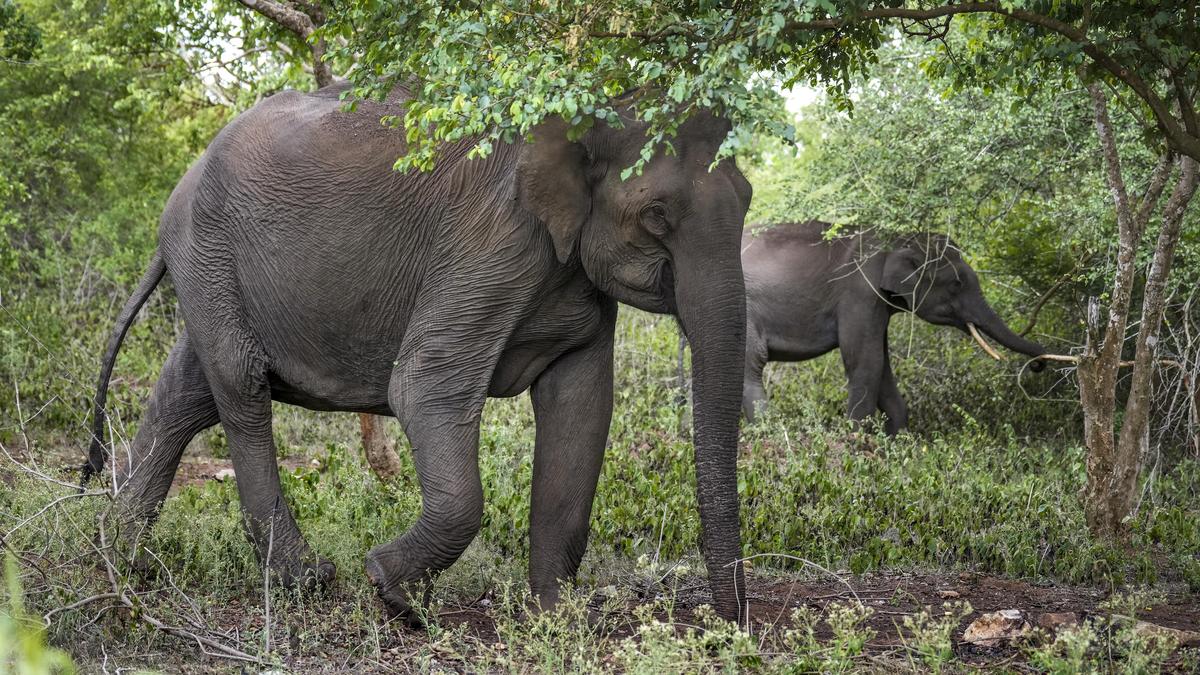
The Wildlife Institute of India has released findings highlighting six critical zones in Kerala where human-elephant conflict continues to claim lives on both sides. The identified hotspots—Kanan Devan Hills, Kuttampuzha, Chittar, Mankulam, Padavayal, and Peechi—have emerged as persistent problem areas despite ongoing conservation efforts in the state.
These regions represent locations where repeated incidents of elephant mortality and human casualties have been documented, indicating a pattern of escalating conflict rather than isolated events. The designation of these zones as hotspots underscores the need for targeted management approaches that address the underlying causes of human-elephant interaction in Kerala's wildlife landscape.
The Wildlife Institute of India's analysis suggests that the persistence of conflict in these specific areas points to systemic issues related to habitat fragmentation, migration corridors, and agricultural practices. The report provides crucial data for policymakers and wildlife authorities to prioritize intervention resources and develop location-specific mitigation strategies.
Kerala's elephant population has faced increasing pressure from human expansion and agricultural encroachment, while communities living on the periphery of wildlife habitats face threats from crop raiding and occasional violent encounters. Wildlife officials are expected to utilize the institute's findings to devise comprehensive management plans that balance conservation imperatives with the safety concerns of local populations in these vulnerable zones.