Culture & Entertainment · World News Bureau
Six million Afghan deportees struggle to rebuild lives under Taliban rule
Mass deportations from Pakistan and Iran have forced over one million Afghans to return home this year alone, with many arriving in a country they have never known. The returnees face severe economic hardship and an uncertain future under Taliban governance.
LSN World News ·
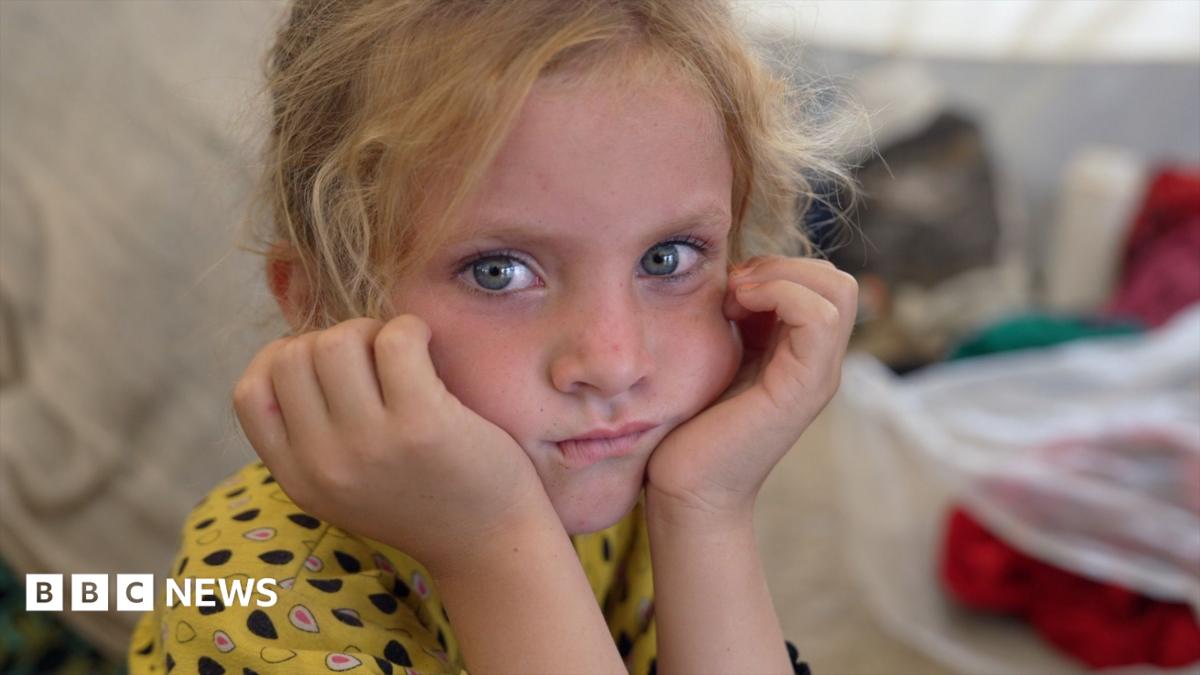
Afghanistan is grappling with a humanitarian crisis as record numbers of deportees arrive from neighbouring countries, many of them Afghan citizens who were born and raised abroad. By August, approximately one million individuals had been forcibly returned from Pakistan and Iran in 2024, adding to a growing population of six million deportees who have been compelled to rebuild their lives in Afghanistan over recent years.
Many of the returnees, particularly younger Afghans, have never set foot in their country of origin before being deported. Having spent their formative years in refugee camps or urban centres across Pakistan and Iran, they lack connections to Afghan society, family networks, or knowledge of local customs and languages. The sudden displacement has left them struggling to adjust to a nation they regard as foreign.
The deportations have intensified economic pressures on Afghanistan, already devastated by conflict and international sanctions. Returnees face acute shortages of employment opportunities, housing, and basic services. Aid organizations have warned that the country's fragile infrastructure cannot adequately support the influx, exacerbating poverty and food insecurity across the population.
The Taliban government has provided limited support for integrating deportees, and international assistance remains constrained by the regime's lack of diplomatic recognition. Human rights groups have called for neighbouring countries to reconsider mass deportation policies, arguing that forced returns place vulnerable populations in precarious circumstances without adequate preparation or safeguards.