World · World News Bureau
Six months after strikes, Iran conflict reshapes Middle East security
Half a year on from coordinated US-Israeli military operations against Iranian targets, regional tensions have shifted focus to control of vital shipping lanes. The broader implications for Middle East stability remain contested among analysts.
LSN World News ·
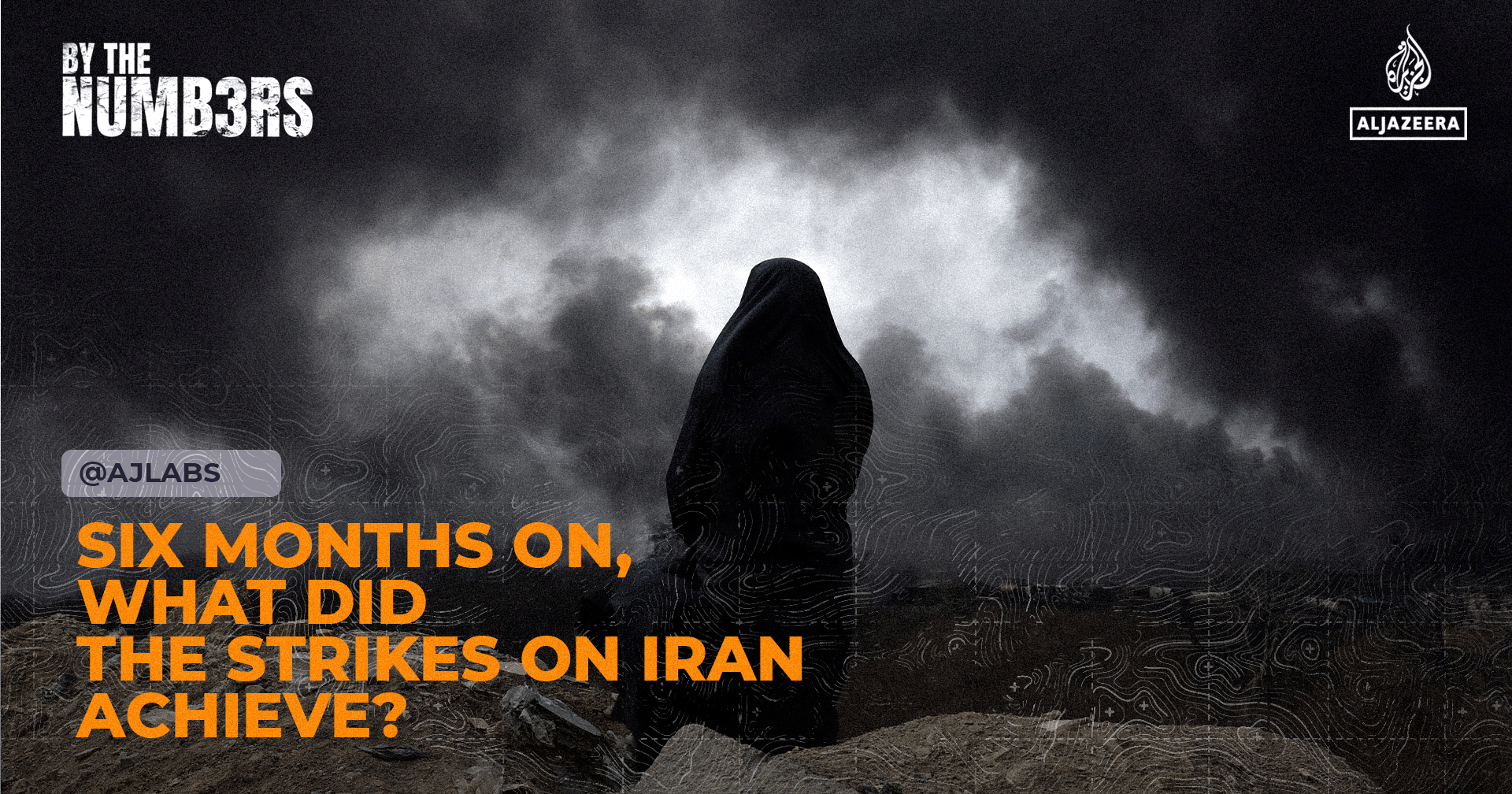
The April 2024 strikes on Iranian military installations marked a significant escalation in regional hostilities, yet their strategic outcomes have proven more ambiguous than initial assessments suggested. Rather than achieving a decisive military advantage, the operations appear to have redirected conflict dynamics toward maritime chokepoints, particularly the strategically critical Strait of Hormuz through which roughly one-third of global oil shipments transit.
In the months following the strikes, proxy forces aligned with Iran have intensified maritime activities in the region, including attacks on international shipping and increased naval positioning. These moves have underscored the vulnerability of global energy supplies to regional disruption, prompting renewed international diplomatic efforts and expanded naval deployments by multiple countries seeking to maintain freedom of navigation.
Military analysts note that while the strikes temporarily degraded certain Iranian air defense capabilities, they did not fundamentally alter Iran's strategic posture or deterrent capacity. Instead, the operations appear to have accelerated a strategic shift by Iranian-aligned groups toward asymmetric tactics that exploit maritime vulnerabilities rather than engaging in direct military confrontation.
The broader calculus of the conflict suggests that military action alone has failed to produce lasting political resolution. Regional stakeholders, including Gulf states dependent on Strait of Hormuz traffic, face ongoing uncertainty regarding escalation risks and the potential for further disruptions to energy markets and international commerce. Diplomatic channels remain constrained as underlying tensions persist.