Business · India Bureau
Six months of West Asia conflict reshapes Indian market landscape
Half a year into the West Asia conflict, Indian equity investors have shifted focus toward defensive sectors, with real estate, pharmaceuticals and metals emerging as key beneficiaries. These defensive plays have delivered gains of up to 17 per cent on the NSE, outperforming broader market sentiment amid regional uncertainty.
LSN India ·
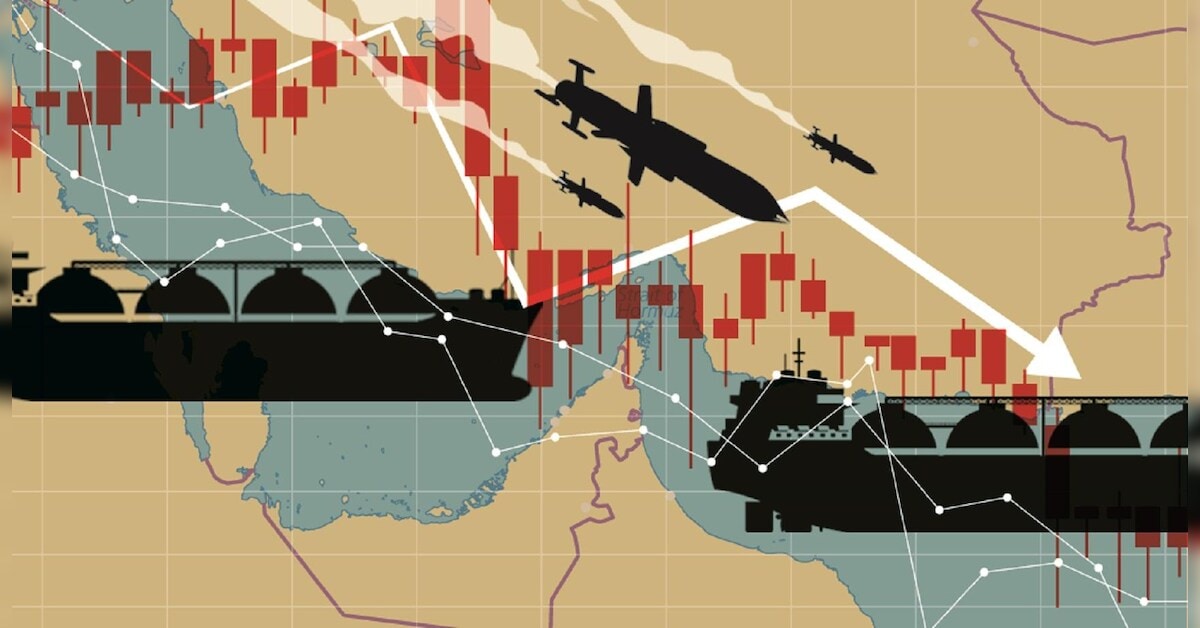
The ongoing conflict in West Asia has fundamentally altered investor sentiment on Indian bourses, prompting a strategic rotation toward traditionally safer asset classes. Real estate, pharmaceutical and metal stocks have emerged as clear winners, with their respective sector indices climbing as much as 17 per cent since the conflict's escalation, according to NSE data tracked by equity research firms.
Investors have gravitated toward these defensive sectors as geopolitical tensions have weighed on broader market confidence. The pharmaceutical sector has particularly benefited from its perceived stability and counter-cyclical demand patterns, while real estate has attracted capital seeking tangible asset backing. The metals pack has gained traction partly due to global commodity price volatility linked to Middle East tensions and their defensive characteristics during periods of uncertainty.
In contrast, sectors tied to global supply chains and energy-intensive industries have faced headwinds as market participants brace for potential disruptions and inflation pressures stemming from the regional instability. Oil and energy-dependent sectors have experienced volatility, with investors reassessing exposure to commodity-linked assets.
Looking ahead, analysts suggest the trajectory of these market segments will largely depend on whether the West Asia conflict shows signs of resolution or further escalation. Defensive sectors are likely to maintain their appeal if geopolitical tensions persist, though a stabilization in the region could spark a rotation back toward cyclical and growth-oriented stocks. Market participants remain cautious, closely monitoring developments that could influence crude oil prices and global supply chain stability.