World · India Bureau
Skull Symbol on Activist's T-Shirt Traces Pirate Flag to Gen-Z Protests
A graphic on Indian activist Neha Bora's clothing has drawn attention to a symbol that has evolved from historical piracy flags to become an icon of youth-led protests across Asia. The emblem has appeared in demonstrations spanning Indonesia, Nepal, and the Philippines.
LSN India ·
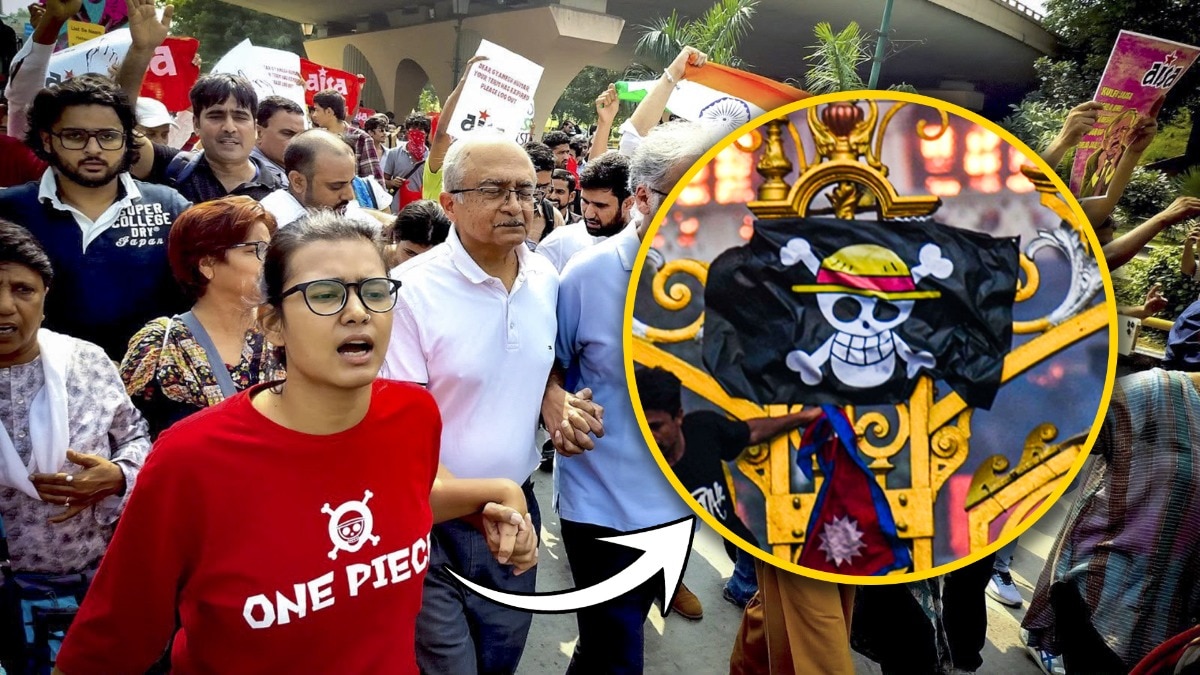
The skull imagery featured on a t-shirt worn by Indian activist Neha Bora has sparked discussion about a symbol's remarkable journey through history and into contemporary protest movements across South and Southeast Asia. What originated as a representation on historical pirate flags has transformed into a rallying point for Gen-Z activists engaging in various social and political causes.
The symbol's adoption in modern protests reflects a broader pattern of young people reimagining historical imagery to represent contemporary resistance. From Indonesia to Nepal to the Philippines, youth-led movements have incorporated the emblem into their activism, often layering new meanings onto its traditional associations.
The visibility of such symbols in activist spaces underscores how digital-native generations are creating visual languages for dissent that draw from pop culture, history, and digital subcultures. The appearance of the skull motif across multiple nations suggests a transnational dimension to youth activism in the region, where symbols circulate rapidly through social media and online communities.
Analysts note that the recontextualization of historical and cultural imagery in protest movements reflects how younger generations engage with activism—blending entertainment, symbolism, and political messaging in ways that differ markedly from previous decades' protest aesthetics.