Technology · Sri Lanka Bureau
SLCERT warns Sri Lankans of sextortion threat, urges digital safety
The Sri Lanka Computer Emergency Readiness Team has issued guidance to protect citizens from sextortion scams, which have emerged as a growing cybersecurity concern. The agency recommends strengthened online safety practices to mitigate vulnerability to such threats.
LSN Sri Lanka ·
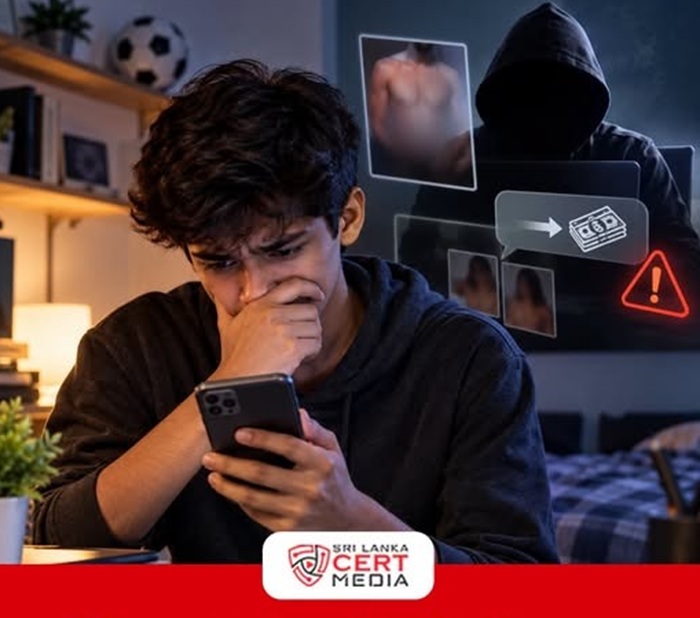
The Sri Lanka Computer Emergency Readiness Team (SLCERT) has alerted the public to the increasing risk of sextortion—a form of cybercrime in which perpetrators threaten to release intimate content unless victims comply with demands, typically financial.
Sextortion scams typically begin when criminals obtain or fabricate compromising images or videos, then contact victims threatening public exposure. The psychological pressure of such threats often compels victims to pay ransom, though compliance frequently leads to continued exploitation.
SLCERT has outlined several protective measures for internet users. These include limiting the sharing of personal information on social media platforms, using strong and unique passwords, enabling two-factor authentication on accounts, and exercising caution when communicating with unknown individuals online. Users are also advised to verify the authenticity of video calls and to be skeptical of requests for intimate imagery from new acquaintances.
The agency has encouraged victims of sextortion attempts to report incidents immediately to law enforcement rather than paying extortionists. Documentation of communications and preservation of evidence can assist authorities in investigating such cases. SLCERT continues to monitor emerging cyber threats and provides resources for reporting suspicious online activity through official channels.
Experts emphasize that awareness and preventive measures remain the most effective defenses against sextortion schemes, which can affect individuals across all demographics and age groups.