Politics · India Bureau
Small businesses, not corporates, driving India's mass market growth
While policymakers often look to large corporations to drive economic expansion, evidence suggests small and medium enterprises are the real engines serving India's emerging consumer markets. Policy frameworks may need recalibration to support these smaller players rather than incentivizing corporate participation in segments where they lack strategic interest.
LSN India ·
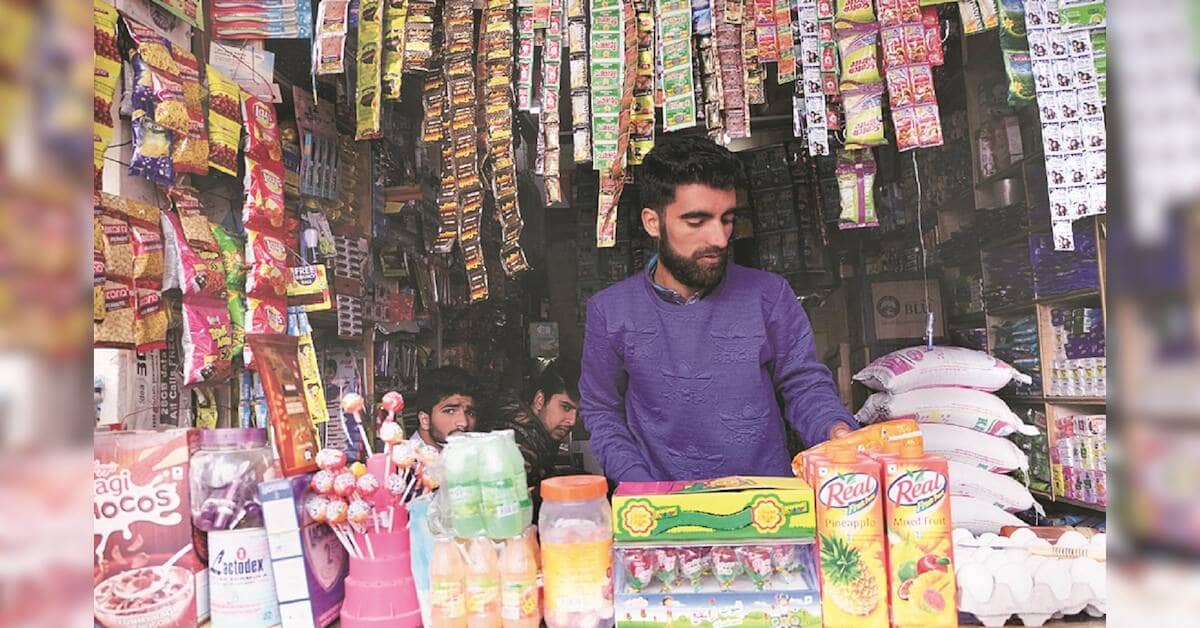
India's economic growth narrative has long centered on corporate champions as the primary drivers of development and job creation. However, a closer examination of market dynamics reveals that small businesses are playing an outsized role in capturing emerging consumer segments and serving the mass market across the country. These enterprises, often more agile and locally rooted than their larger counterparts, are better positioned to understand and meet the needs of India's diverse, price-sensitive consumers.
Corporate India's traditional focus on high-margin segments and established markets means many large firms have limited appetite for the lower-volume, thin-margin opportunities that characterize emerging mass markets. Small businesses, by contrast, operate with different economics and risk tolerances, making them natural fits for these growth areas. From retail to services to manufacturing, smaller enterprises are innovating to serve customers in tier-two and tier-three cities and rural regions where multinational and large domestic corporations see limited opportunity.
Current policy frameworks, however, often channel resources, tax incentives, and regulatory support toward larger corporate entities, potentially misdirecting support away from the businesses actually driving inclusive growth. Export promotions, infrastructure credits, and sectoral subsidies frequently benefit corporations disproportionately, while small businesses struggle with compliance costs and access to capital. Policymakers face a choice: continue betting on corporate India to serve all market segments, or recalibrate support mechanisms to strengthen the small business ecosystem that is already demonstrating its effectiveness in reaching mass-market consumers.
Realigning policy to support smaller enterprises could unlock significant economic potential while ensuring that growth reaches underserved populations across India.