Culture & Entertainment · Singapore Bureau
Small modular reactors gain traction as nuclear energy option expands regionally
As countries across South and Southeast Asia explore nuclear power alternatives, small modular reactors are emerging as a potential solution. The technology offers distinct advantages and safety considerations that policymakers must carefully evaluate.
LSN Singapore ·
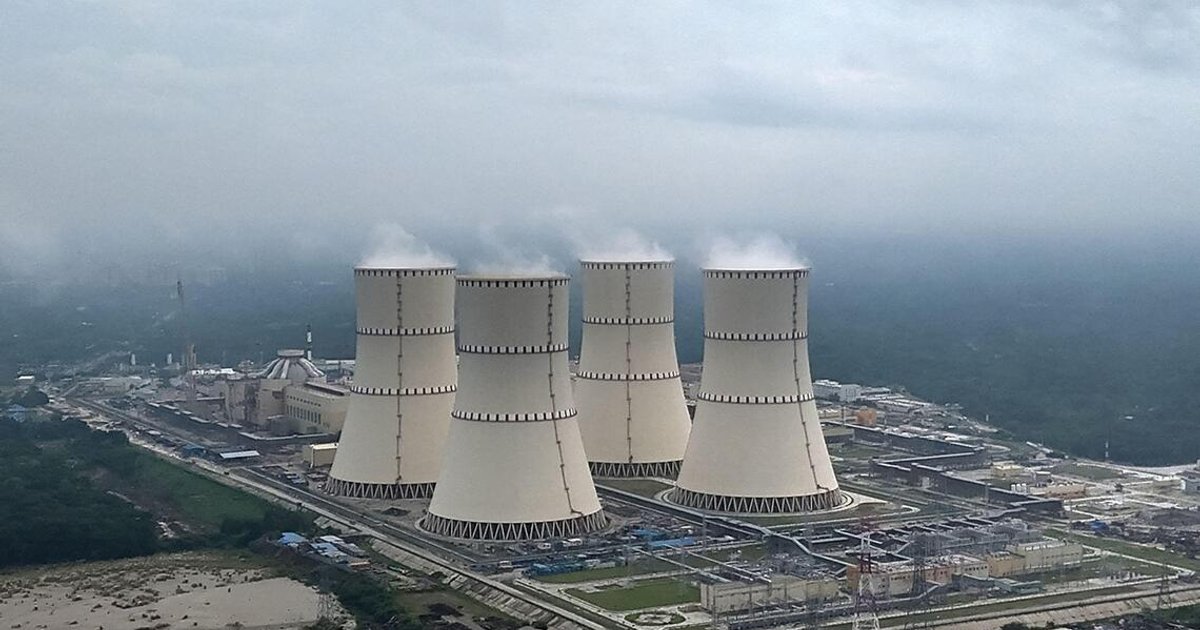
Small modular reactors (SMRs) represent a significant departure from conventional nuclear plants, operating at a fraction of the size and power output of traditional facilities. These compact units, typically producing between 50 and 300 megawatts of electricity, can be manufactured in factories and transported to deployment sites, offering flexibility in siting and scalability that large reactors cannot match.
The technology functions on the same fundamental principles as conventional nuclear plants, using controlled nuclear fission to generate heat that produces steam for electricity generation. However, SMRs incorporate passive safety systems designed to operate without active intervention during emergencies. In the event of a cooling failure, these systems rely on natural processes such as convection and radiation to dissipate residual heat, reducing dependency on powered safety equipment.
Safety experts point to several inherent advantages of the smaller design. The reduced core inventory means lower quantities of radioactive material requiring containment, while the lower power density per unit decreases thermal stress on reactor components. Multiple SMRs can be operated at a single facility, allowing for distributed risk management and continued partial power generation if one unit requires maintenance.
However, deployment considerations remain complex. The per-megawatt construction costs of SMRs currently exceed those of large reactors, though proponents argue costs will decline as manufacturing scales. Regulatory frameworks, waste management protocols, and public acceptance remain significant variables that governments must address before commercial deployment.
For nations considering nuclear expansion, SMRs present a technical option that warrants thorough evaluation alongside renewable alternatives, grid infrastructure requirements, and existing energy policies.