Politics · Singapore Bureau
Soaring LNG costs dampen Asian nations' appetite for gas imports
Developing countries across Asia are reassessing liquefied natural gas procurement as import bills more than double, threatening to undermine LNG's standing as a dependable energy alternative. The sharp cost escalation is forcing policymakers to weigh energy security against fiscal constraints.
LSN Singapore ·
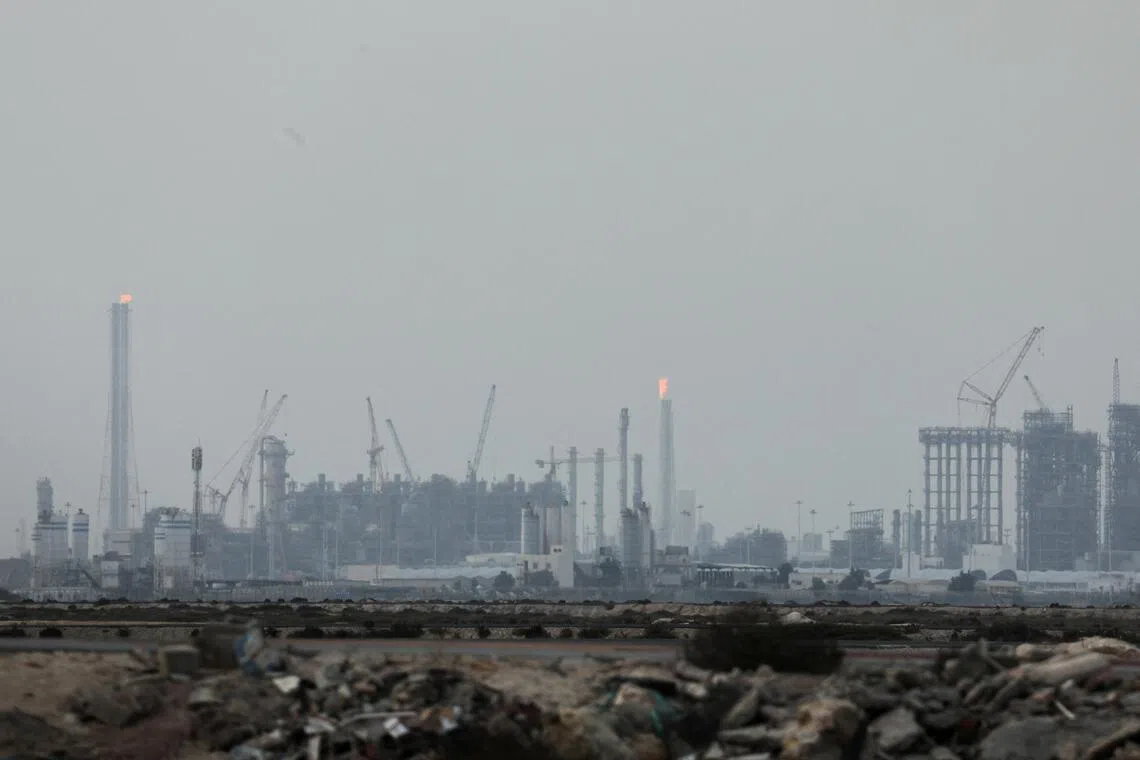
Developing nations throughout South and Southeast Asia face mounting pressure on their energy budgets as liquefied natural gas import costs have surged past $9.4 billion, more than doubling from previous levels. The dramatic price spike is prompting governments and utilities to reconsider their reliance on LNG as a cornerstone of their energy strategies, potentially weakening the fuel's reputation as a stable, long-term energy source.
The cost explosion reflects broader volatility in global energy markets, compounding existing fiscal challenges for developing economies already grappling with inflation and currency pressures. Countries that had committed to LNG infrastructure investments based on more moderate price projections now face difficult choices about energy portfolio diversification and budget reallocation.
Energy analysts warn that sustained high prices could accelerate shifts toward alternative energy sources, including coal and renewable options, despite environmental concerns. The situation underscores the risks developing nations face when committing to expensive infrastructure projects tied to volatile international commodity markets.
Regional governments are intensifying discussions about negotiating longer-term supply contracts with more predictable pricing mechanisms and exploring greater investment in domestic energy resources and renewable capacity to reduce import dependency.