Culture & Entertainment · India Bureau
Social Boycott Divides Village as Local Bodies Wield Growing Power
Over two years of alleged ostracism has left nearly 55 families in Telangana's Nizamabad district isolated from basic services and community life. The case highlights mounting concerns about Village Development Committees overstepping their authority, with nearly 90 complaints filed before the Backward Classes Commission.
LSN India ·
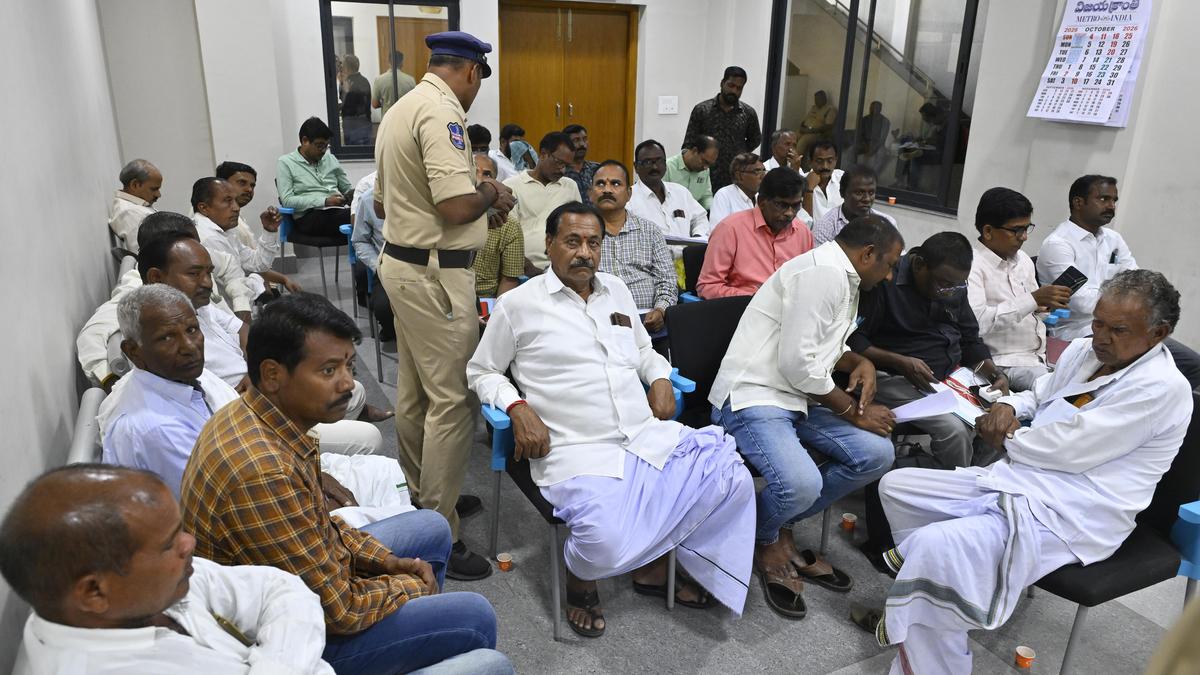
Residents of Tallarampur village in Nizamabad have endured a complete social boycott for more than two years after refusing to comply with directives from their Village Development Committee (VDC), according to ground reports. The affected community comprises 45 toddy-tapper families and 10 Dalit households who say they have been systematically denied access to essential goods, medical services, and participation in village social activities.
The families report being cut off from grocery supplies and healthcare facilities, effectively pushing them to the margins of everyday village life. Local authorities have allegedly enforced the boycott as punishment for the residents' refusal to follow VDC orders, a pattern that underscores the expanding influence of these informal governance structures in rural settlements.
The situation in Tallarampur is not isolated. The Backward Classes Commission has received nearly 90 complaints regarding alleged excesses committed by Village Development Committees across the region, suggesting a broader pattern of power misuse by these bodies. The complaints point to VDCs increasingly acting beyond their traditional scope, wielding coercive measures to enforce compliance among villagers.
The case raises serious questions about accountability and the regulatory oversight of informal village institutions. Experts note that while VDCs serve legitimate community functions, their growing authority in implementing social sanctions poses risks to vulnerable populations who lack formal recourse mechanisms to challenge such actions.