World · Bangladesh Bureau
Social media fuels rise of youth gang culture across region
Authorities across South and Southeast Asia express growing concern over TikTok and similar platforms amplifying youth gang recruitment and violent displays. Security experts warn that viral video trends are normalizing armed group membership among teenagers.
LSN Bangladesh ·
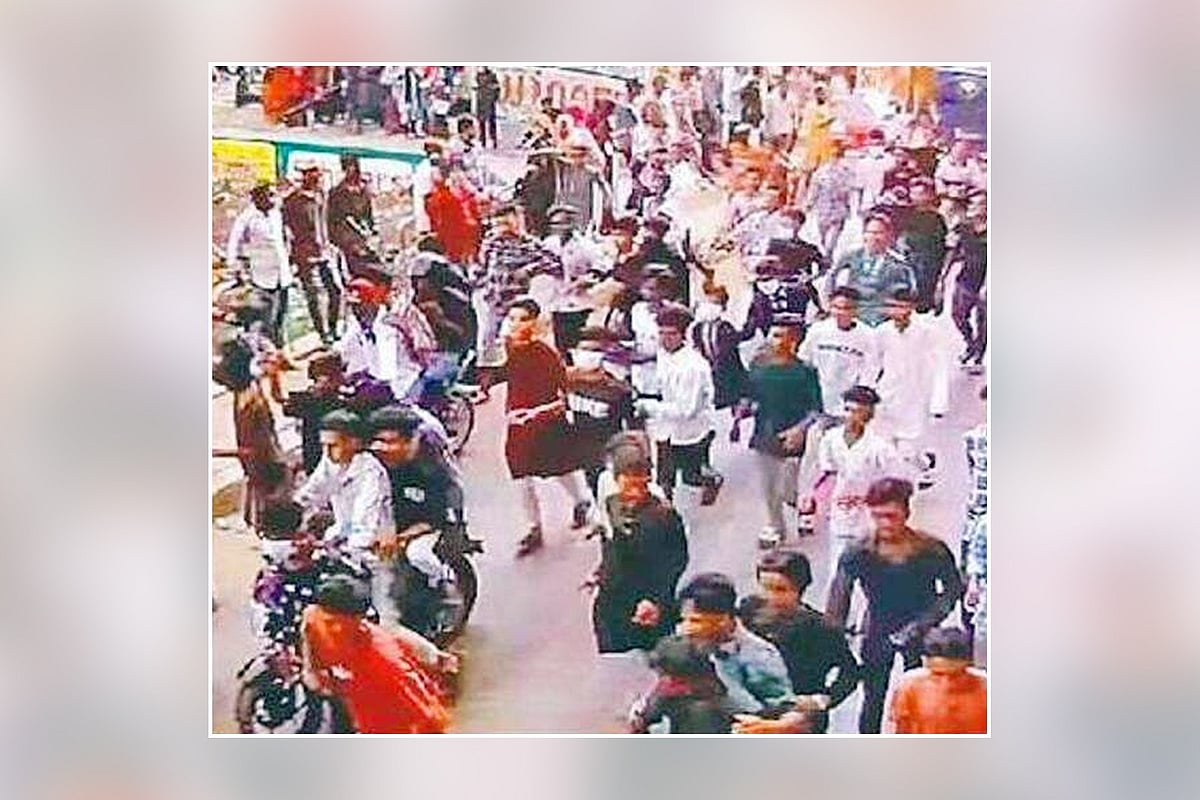
Regional law enforcement agencies have raised alarms over the proliferation of youth gangs, with social media platforms—particularly TikTok—playing a central role in their expansion and glorification. Videos depicting gang members displaying weapons, performing coordinated movements, and flaunting gang symbols have accumulated millions of views, researchers say, creating a powerful recruitment tool that reaches adolescents across national borders.
The trend reflects a broader shift in how criminal groups and gangs operate in the digital age. Rather than operating solely in physical neighborhoods, these organizations now leverage short-form video content to build followings, establish territorial claims, and attract new members from diverse geographic locations. Young viewers exposed to such content report feeling drawn to the perceived status and belonging these groups promise.
Parents and educators across the region have voiced concerns about the normalized portrayal of gang life on mainstream platforms. Mental health professionals warn that repeated exposure to such content can desensitize youth to violence and distort their perception of risk and consequence.
Social media companies have faced mounting pressure to enforce content policies more rigorously. While platforms have removed some accounts and content violating community standards, critics argue enforcement remains inconsistent and reactive rather than preventive. Regional governments are exploring legislative measures to combat the issue, balancing free expression protections with public safety concerns.