World · India Bureau
Social Media Platforms Challenge Traditional Democratic Narratives Globally
Digital platforms have increasingly exposed contradictions and inconsistencies in how democratic institutions communicate with citizens. The phenomenon raises questions about transparency and accountability in modern governance across South and Southeast Asia.
LSN India ·
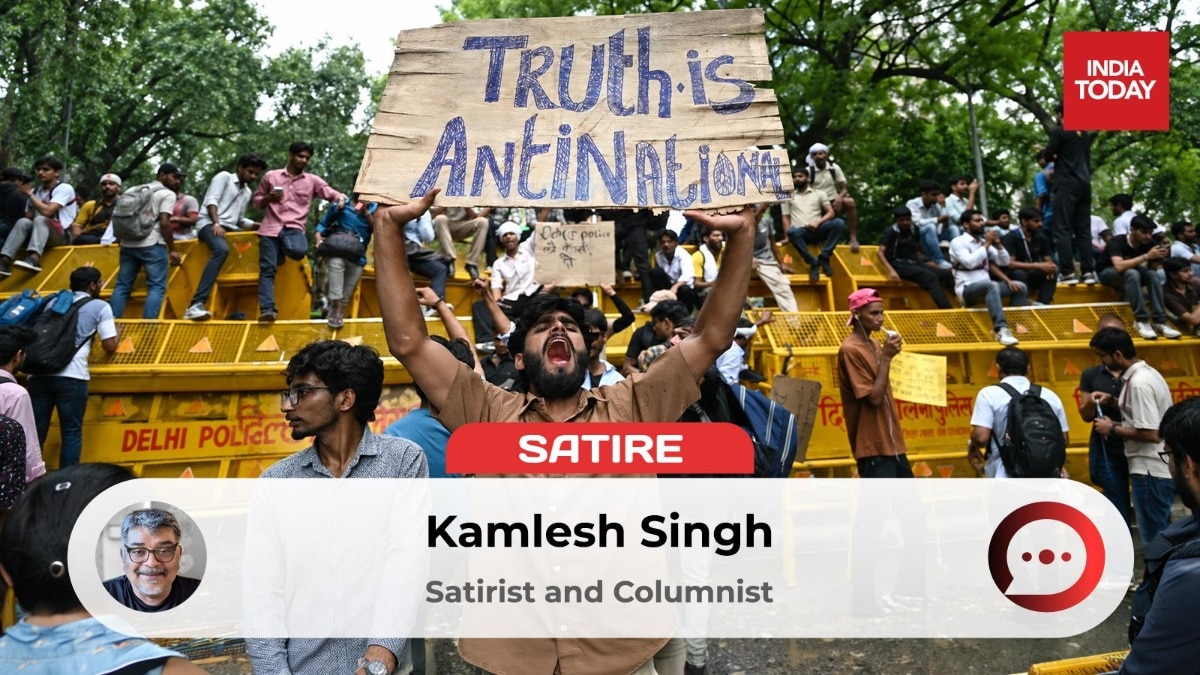
Social media's unprecedented reach has fundamentally altered the information landscape, allowing citizens direct access to unfiltered communications from political leaders and institutions. This democratization of information dissemination has revealed gaps between public rhetoric and documented actions, creating a persistent challenge for governments attempting to control their messaging.
In several South Asian democracies, viral posts and real-time fact-checking have exposed contradictions in official statements regarding policy implementation, resource allocation, and institutional promises. Citizens increasingly document discrepancies between campaign pledges and governance outcomes, sharing these observations instantaneously across networks that reach millions.
Political analysts note that while social media has enhanced civic engagement and accountability mechanisms, it has simultaneously complicated the governance environment. The speed of information spread often outpaces institutional capacity for transparent explanation or nuanced policy discussion, creating friction between digital discourse and formal democratic processes.
Experience across the region suggests that democratic institutions must adapt their communication strategies to acknowledge this reality. Governments that engage authentically with digital platforms and address documented concerns tend to maintain greater public trust than those attempting traditional information gatekeeping approaches.
The evolving relationship between social media and democracy continues reshaping public discourse, with implications for how governments, media organizations, and citizens navigate accountability and transparency in increasingly connected societies.