World · India Bureau
Soil-free gardening gaining traction among Indian urban growers
Hydroponic farming techniques are enabling Indian homeowners to cultivate vegetables and herbs without requiring traditional soil or extensive outdoor space. The method allows rapid plant growth in compact urban environments.
LSN India ·
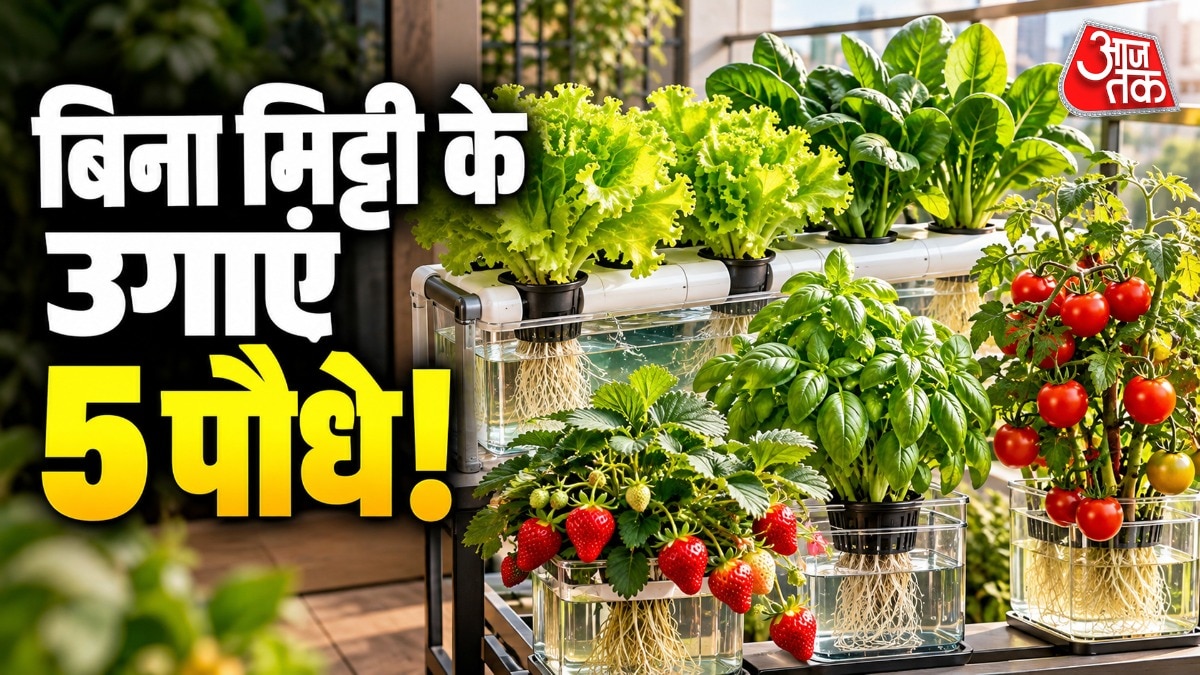
Urban gardeners across India are increasingly adopting hydroponic cultivation methods to grow fresh produce in confined spaces, circumventing the need for soil-based agriculture. The technique, which delivers nutrients directly through water-based solutions, has emerged as a practical solution for apartment dwellers and those with limited outdoor areas.
Hydroponics enables faster plant growth compared to conventional gardening, with crops requiring approximately 30 percent less water. The system works by suspending plant roots in nutrient-enriched water, allowing direct absorption of essential minerals needed for development. This controlled environment reduces dependence on seasonal weather patterns and soil quality variations.
Several vegetables and herbs are well-suited to hydroponic cultivation in Indian households. Leafy greens including lettuce and spinach thrive in such systems, alongside herbs like basil and fragrant tulsi. Tomatoes and strawberries have also demonstrated successful growth through hydroponic methods, offering home gardeners diverse options for year-round production.
Experts note that hydroponic systems require minimal maintenance once established, making them accessible to gardening enthusiasts with varying levels of expertise. Initial setup involves acquiring basic equipment including growing trays, nutrient solutions, and a water reservoir. The method's scalability allows users to expand their operations incrementally based on available space and resources.
As Indian consumers increasingly seek fresh, pesticide-free produce, hydroponic gardening represents a viable approach for sustainable home food production, particularly in metropolitan areas where traditional gardening space remains constrained.